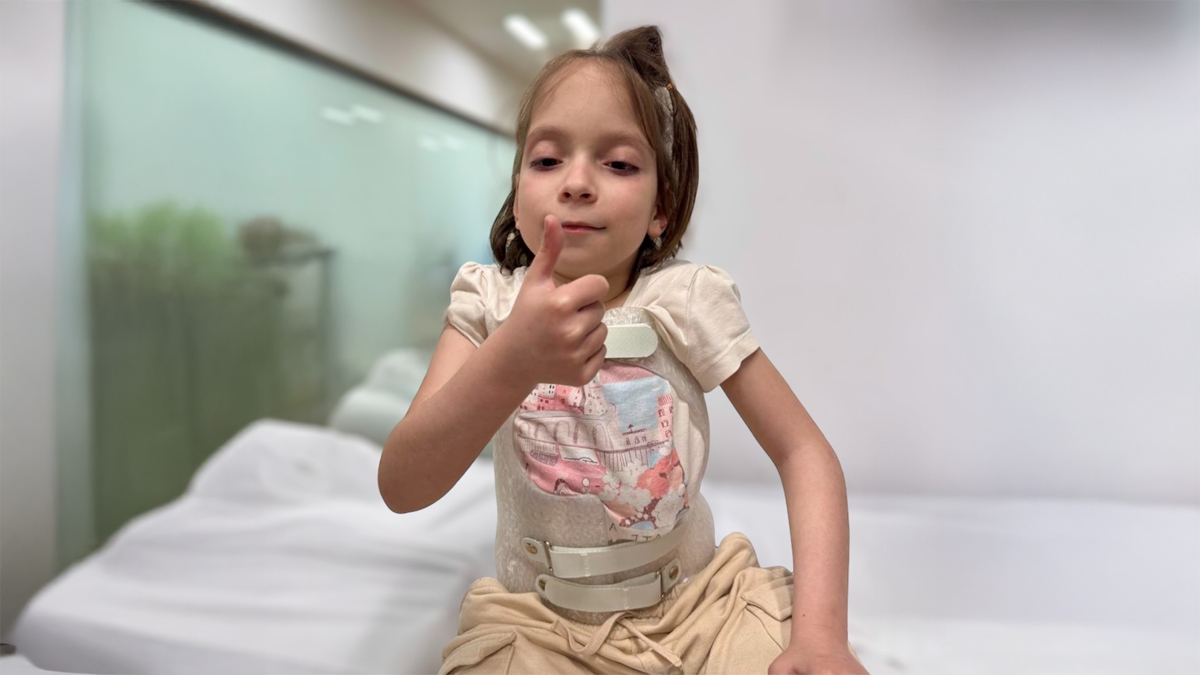
Advanced technology improves Akylina’s life
Improved trunk control, seating stability, and daily function through a custom 3D-printed corset and wheelchair cushion.
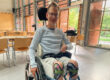
When Akylina first came to the Ortholife group clinic in Athens, it was clear she faced a series of complex challenges that affected her daily life. She is an independent wheelchair user with spina bifida, scoliosis, quadriplegia, and low spastic tone. These conditions make it difficult to maintain a stable posture throughout the day. Even though she is strong-willed and incredibly capable, staying upright and comfortable requires constant effort.
For years, she relied on a rigid thermoplastic brace. It was uncomfortable, difficult to wear for long periods, and still didn’t give her the trunk support she needed. Her posture would collapse as the day went on, limiting her arm movement and making everyday tasks harder. As her scoliosis progressed, the need for a better solution became even more urgent. Pelvic alignment in the wheelchair was also a challenge, affecting both stability and long-term comfort.
Finding a better way
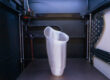
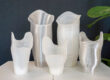
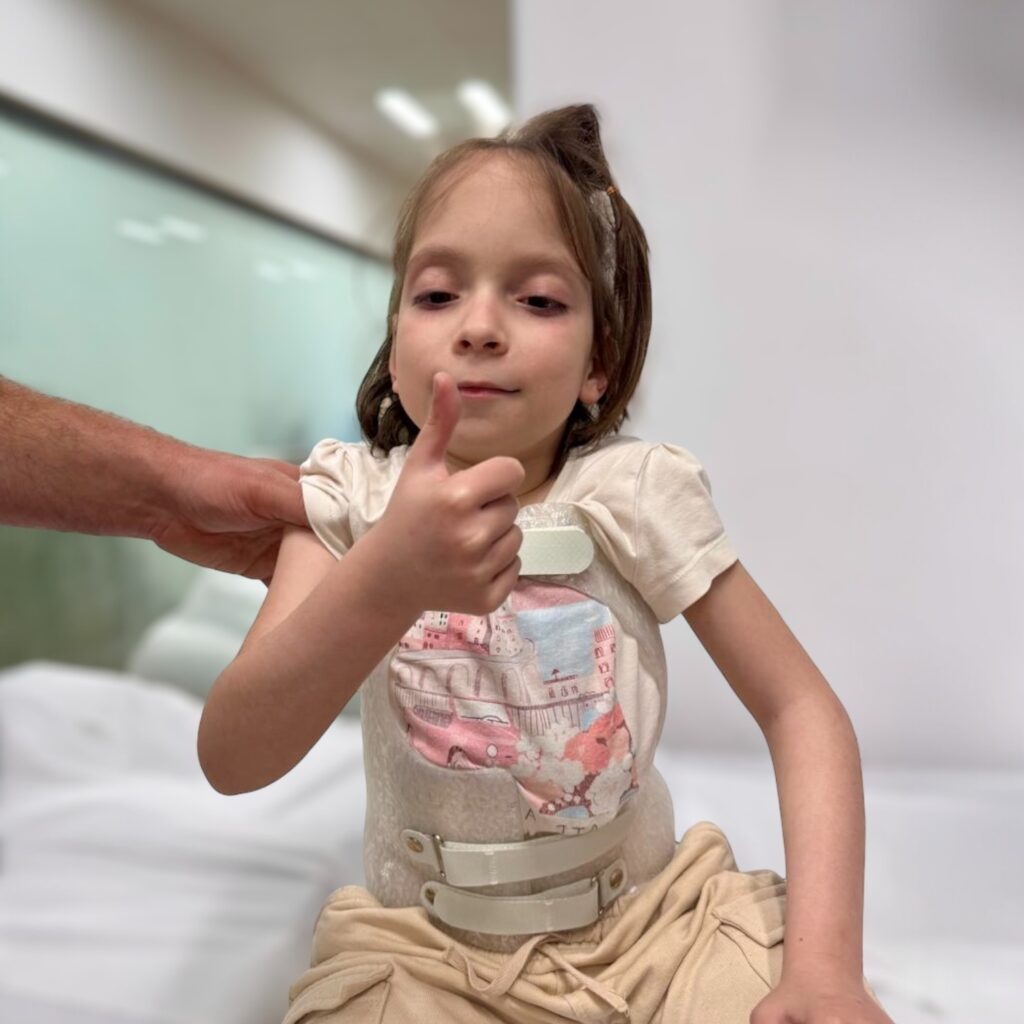
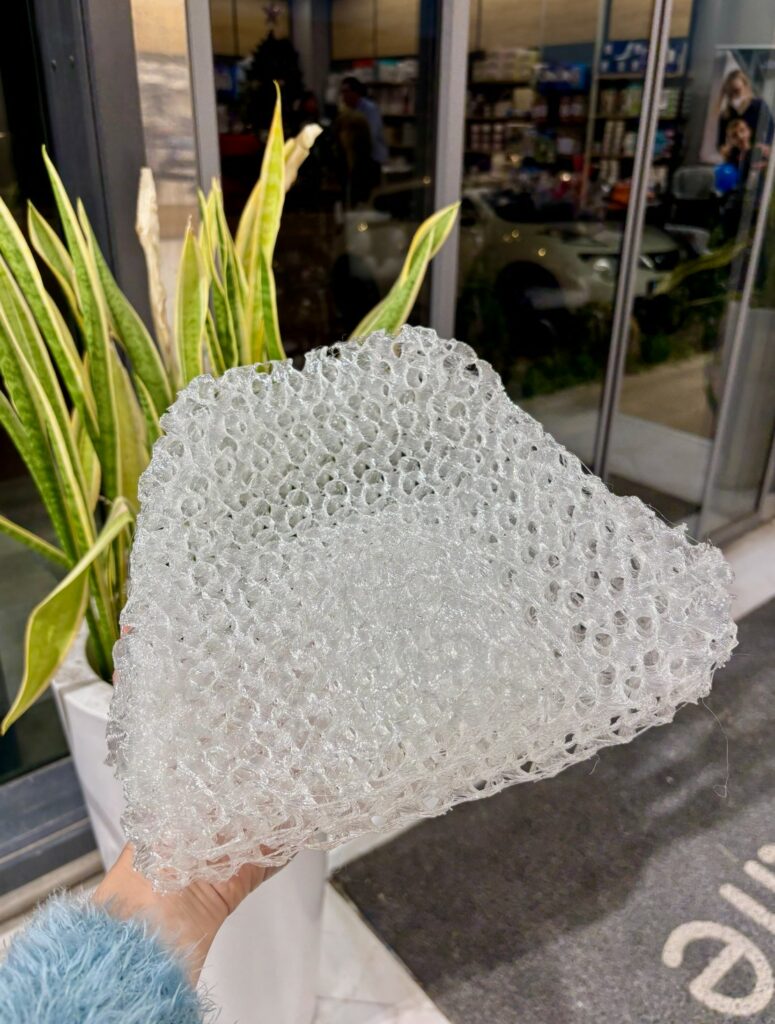
During her assessment, it became clear that she needed a solution designed entirely around her body. It had to be something supportive yet flexible enough to tolerate throughout the day. Using a combination of 3D scanning, posture analysis, and clinical experience, her team designed a fully custom 3D-printed corset in flexible TPU.
And the difference was immediate. The flexible material adapted to her movements while still providing the strong, targeted support she needed. For the first time, she could maintain midline posture without fighting against her brace. Her breathing improved thanks to a more open and upright chest position, and her arms moved more freely because her trunk was finally stable.
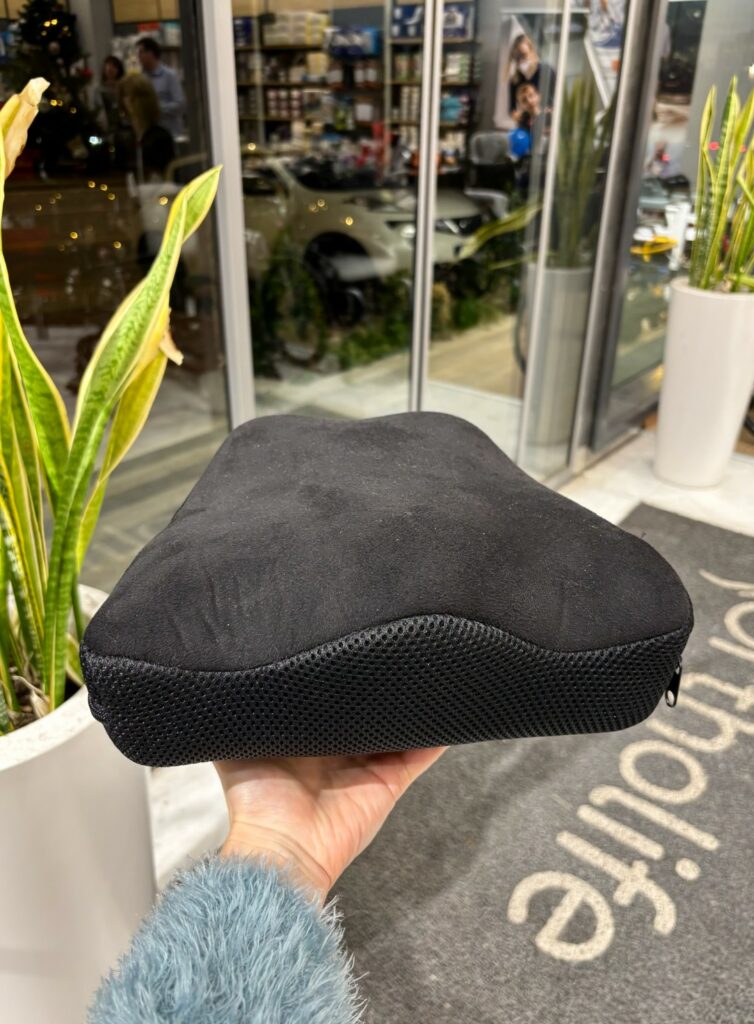
To complete the setup, a custom 3D-printed wheelchair cushion was created to optimize her pelvic alignment. The cushion and corset worked together as a unified system. In all, it supports her spine, stabilizes her pelvis, and improves her overall balance.
A smooth and supportive process
- Patient consultation
- Preparation of 3D models for print
- Overseeing 3D printing
- Post processing
- Fitting
A noticeable change in daily life
With her new setup, the improvements were clear:
- She sat more upright and with much better control.
- Her arm movements became smoother and more efficient.
- She felt more stable and aligned, both in and out of her wheelchair.
- She could wear the corset for longer periods without discomfort.
- Her breathing improved because her posture supported her lungs instead of compressing them.
Most importantly, she gained more independence in her everyday activities.
A personalized solution with lasting impact
Although these are not her exact words, Akylina expressed genuine happiness with the result. She is bright, thoughtful, and very aware of how her body works — and she could immediately feel the difference the new solution made.
By combining a flexible 3D-printed corset with a customized wheelchair cushion, Akylina finally received a solution tailored to her unique posture and stability needs. The new setup gave her greater comfort, better function, and a meaningful improvement in quality of life.
Condition overview
Spina bifida
A congenital condition where the spine and spinal cord do not fully develop during early pregnancy. It can lead to muscle weakness, reduced sensation, mobility challenges, and varying degrees of paralysis, depending on severity.
Scoliosis
A sideways curvature of the spine that can progress over time. It may affect posture, balance, breathing, and trunk stability, especially when combined with other neurological or muscular conditions.
Quadriplegia
Paralysis or significant weakness in all four limbs, typically caused by an injury or congenital condition affecting the cervical spinal cord. It often leads to reduced motor control, impaired balance, and challenges with both mobility and daily activities.
Low spastic tone
A condition where muscles have unusually low tension (hypotonia), making it harder to maintain posture or resist gravity. Low tone in the trunk can reduce stability and make sitting upright for long periods difficult.