What motivates the RAS team to lead the digital transformation
Advanced technology combined with a customer who really understands how to use it for the best of the patients is the true case of when 2+2=5. It is the case with the German RAS team from Melle. If you have followed Create it REAL for a while, you will have seen some of our precious case stories. With 50 patients already receiving specialized seating tailored to their unique lives through this digital workflow, their records show how this workflow solves complex needs. They have shared how they crafted individual seating aids for Bernd, Esther, and the latest Henry. If you don’t know these cases yet, do yourself a favor and look them up. We are so lucky that orthopedic specialist Jan Warnke is not only skilled in posture and manufacturing seating orthoses. He is also generous in sharing his knowledge with us, the industry in general, and the next generation of postural experts.
The RAS team comes from traditional crafting and still uses traditional methods in their workshop, when it makes most sense. And in more and more cases, Programmable Foam® and additive manufacturing make the most sense, as the level of customization surpasses that of traditional craftsmanship. We had the chance to talk to Jan Warnke and ask him what is driving the digital transformation at RAS Team and how they are moving traditional craftsmanship toward a digital alternative.
The motivation behind going digital
The ultimate driver for this shift is simply providing the best possible care for clients. As Jan explains, the team never starts with individual components. Instead, they look at the whole picture to find holistic patient solutions. Driven by the unique qualities of Programmable Foam®, they focus heavily on comfort, hygiene, pressure control, and movement. For them, the final product is a complete life aid rather than just a sitting orthosis or a wheelchair.
Like many in the field, the RAS team faces the challenges of an aging population and a shortage of skilled labor. Transforming their workflow into a digital journey has become essential for welcoming young professionals into the workshop. By embracing new technology and stepping up as first-movers, they maintain a fresh, exciting workplace within a very traditional industry.
“The seating orthosis out of Programmable Foam® allows you to work a lot more individually. A milling robot can't create the special zones we need to give our clients a stable posture. It is a whole game-changer.”
— Jan Warnke
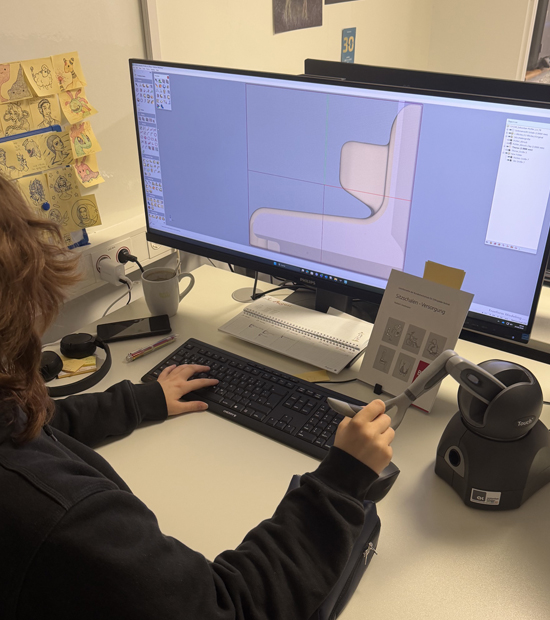
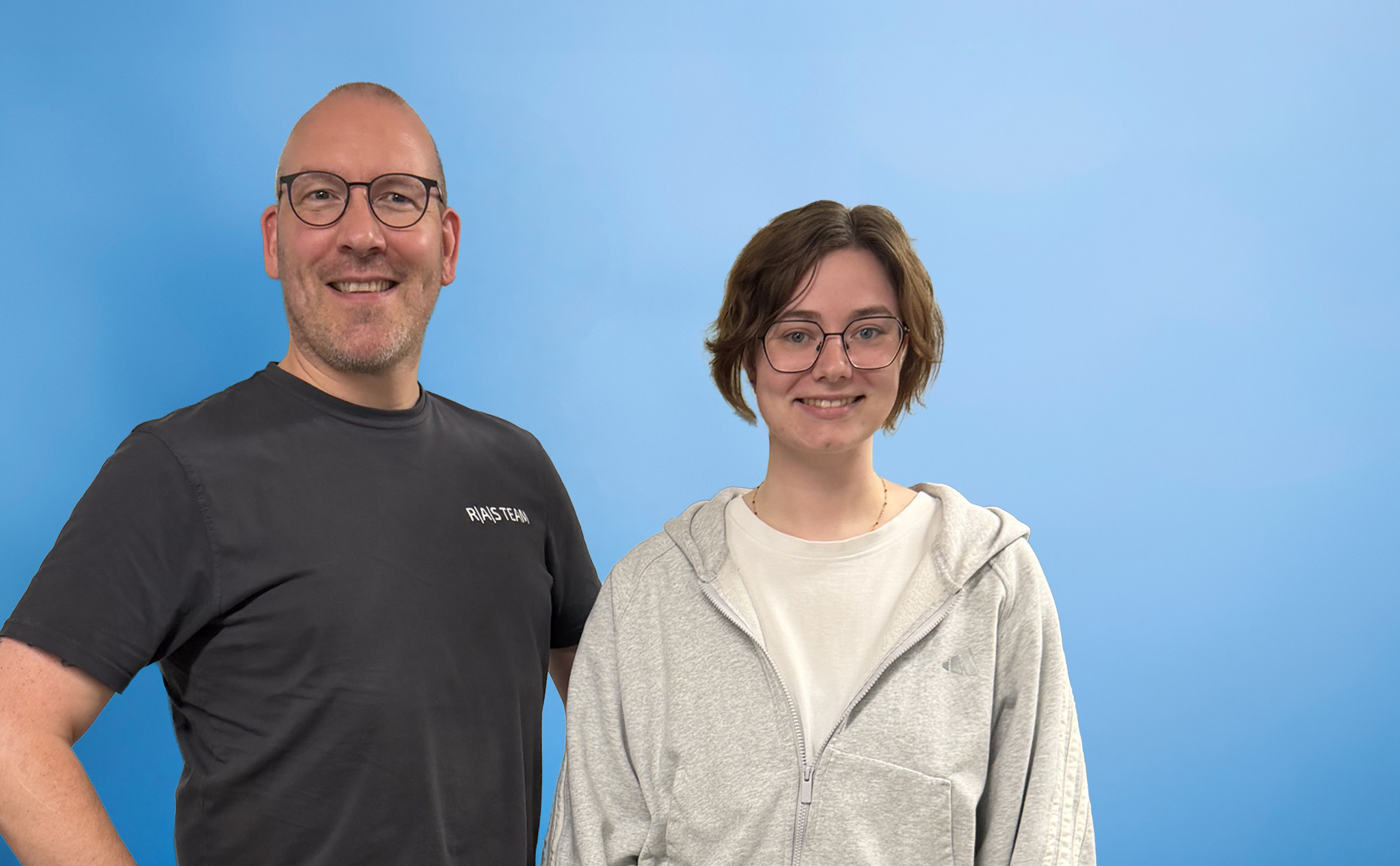
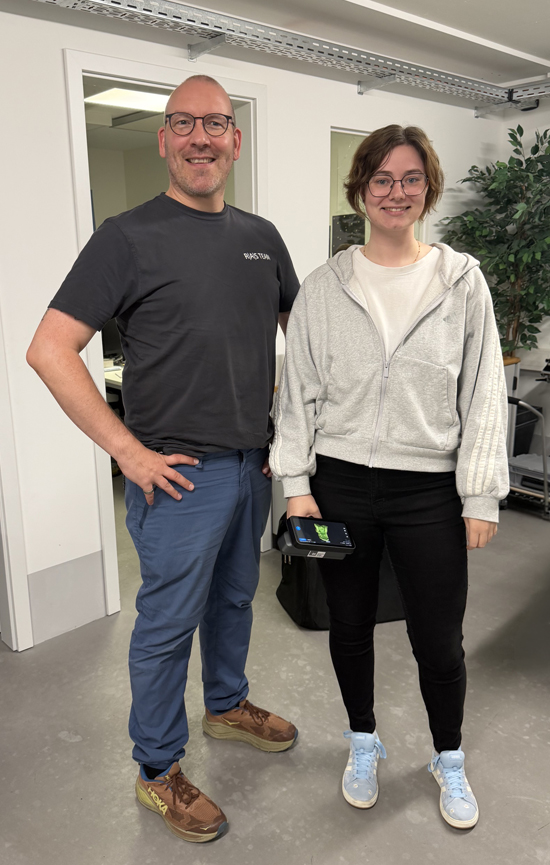
This digital shift also changes how knowledge is passed down. The new workflow naturally transfers decades of orthopedic wisdom from experienced professionals like Jan to tech-savvy young experts like his colleague Theresa, who specializes in 3D modeling. The craftsmanship does not disappear; it simply finds a new home in digital skills.
At the same time, the team is gaining widespread industry recognition. Success stories, like the seat designed for Bernd, have positioned the RAS team as true pioneers, leading to requests to write for specialized orthopedic magazines. More importantly, this spotlight gives them a platform to challenge old-school resistance to new technology. By sharing their clinical successes, they gladly act as mentors to help other traditional companies embrace a more holistic view of patient care.
"I'm more focused on the vacuum cast and the perfect shape for the client... The perfect shape is critical for managing pressure and bringing the pressure from one point into a larger field of the seat."
— Jan Warnke
How the digital workflow comes to life
What does this digital workflow actually look like on a normal Tuesday in Melle? It is not about using technology for the sake of it. It is about creating better seating aids, sharing knowledge, and learning together. Jan has spent more than two decades working with special seating, and for him, this technology is a natural evolution that improves real-world outcomes.
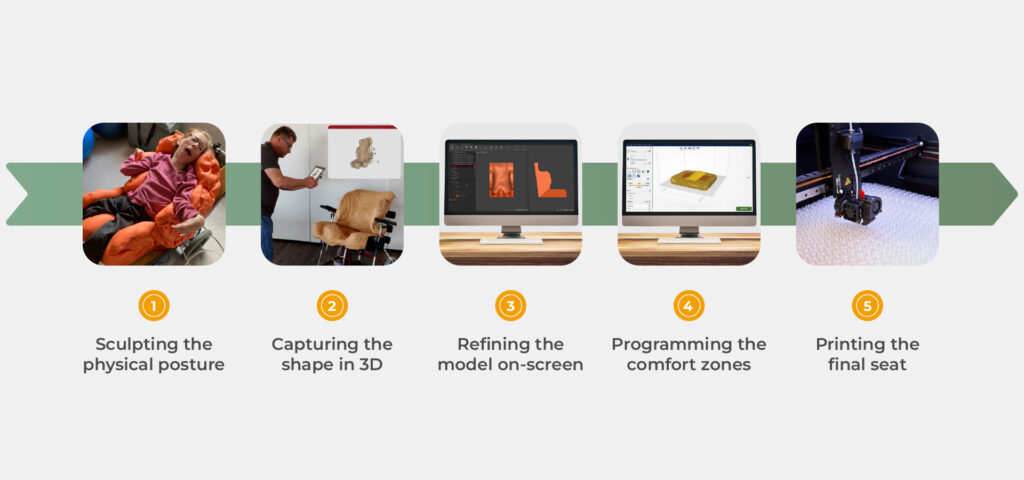
Here is how Jan, Theresa, and the team bring this process to life:
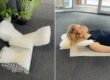
- Sculpting the physical posture: The journey begins by placing the patient in a specialized vacuum-forming bag. Jan gently adjusts the patient’s posture by hand, adding support where needed and relieving pressure until a stable, pain-free position is achieved. The air is then vacuumed out to lock in that perfect shape.
- Capturing the shape in 3D: Once the patient steps away, the hardened impression is captured with a high-resolution 3D scanner. This step smoothly transforms every physical contour and anatomical detail into a digital data cloud.
- Refining the model on screen: Theresa takes the raw scan data into CAD software to clean it up and optimize the design. She also integrates the exact dimensions of the wheelchair frame to ensure the digital model aligns perfectly with the patient and their mobility device.
- Programming the comfort zones: Instead of spending hours manually gluing different layers of physical foam together, the technician works entirely within the digital file. They assign specific levels of softness and density to different areas, creating seamless transitions between firm support zones and soft, pressure-relieving sections.
- Printing the final seat: The finished digital blueprint is sent straight to a specialized 3D printer, which builds a continuous, single-piece physical seat using flexible TPU material.
Growing the workflow step by step
The true value of this shift extends far beyond clever software and heavy machinery; it fundamentally changes how clinical knowledge is shared. The close collaboration between Jan and Theresa proves that technology does not replace human care. Instead, it serves as a powerful canvas that preserves decades of hands-on experience while enhancing it through modern design.
“This was our best decision to make it this way. I learn a lot from Terresa about the digital workflow, as she learns a lot from me about how we have to seat our clients and which factors are important to watch out for.”
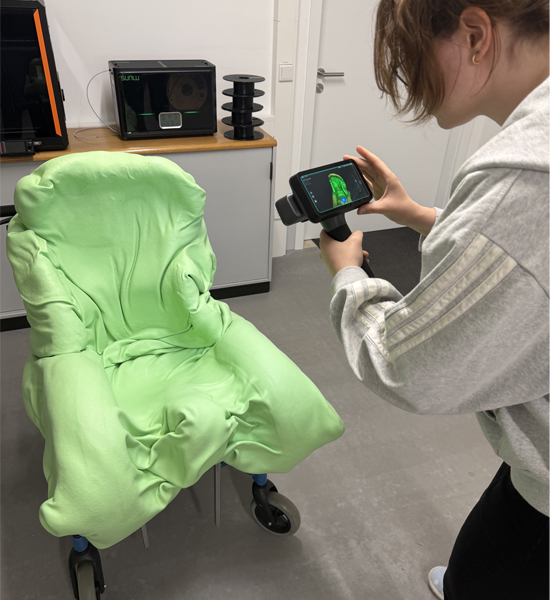
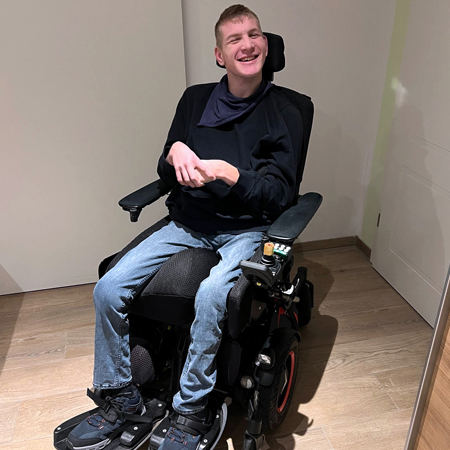
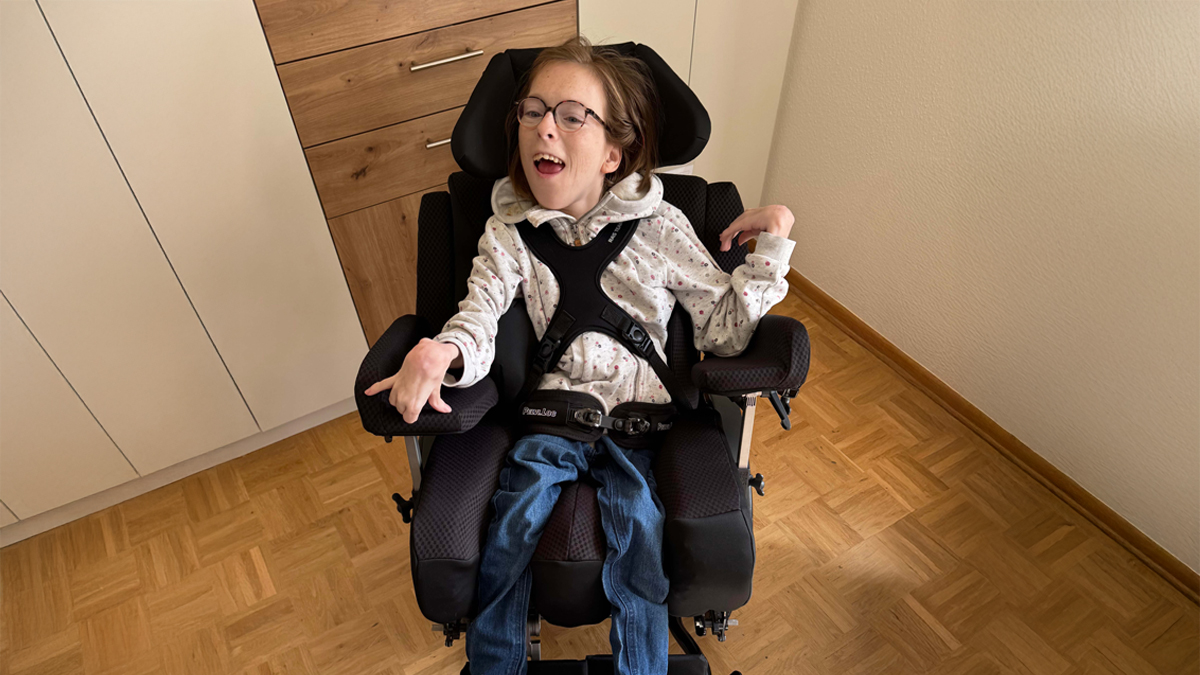
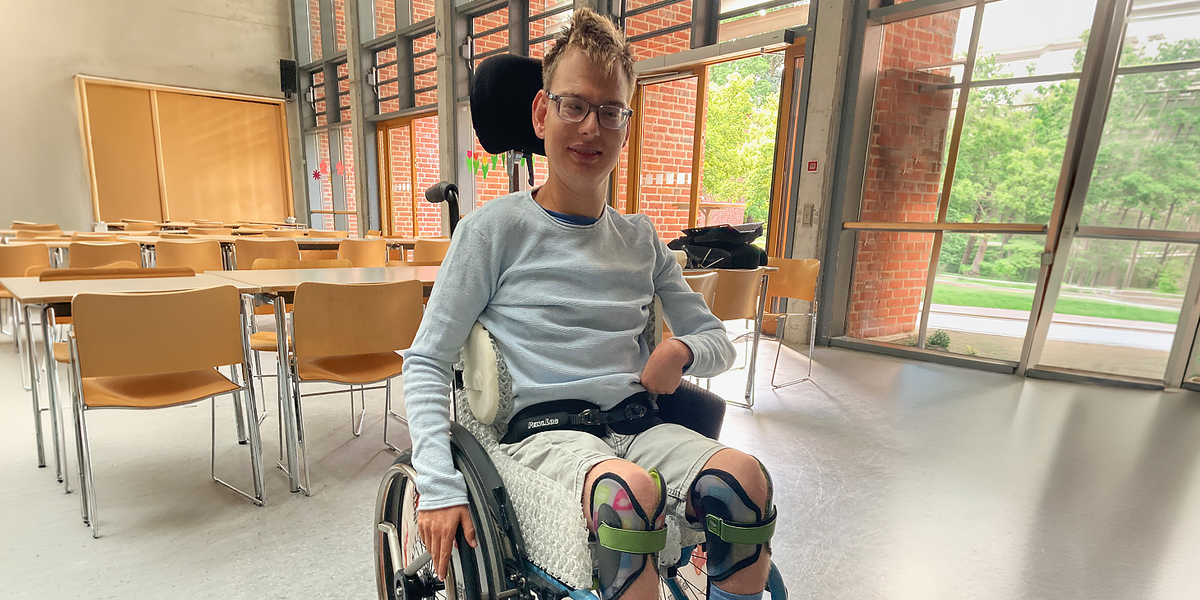
The RAS team chose a highly realistic, step-by-step path to adopt this technology, building their confidence along the way. By helping 50 patients get a specialized seat through the digital workflow and our 3D print-on-demand service, they have thoroughly mastered the scanning and design stages. While this outsourced approach allowed them to successfully implement the technology without initial hardware overhead, it naturally involves standard production and shipping times.
Having proven the concept and built their digital confidence, a natural next step for the RAS team is to explore bringing a 3D printer directly into their own workshop. Moving production in-house will allow them to deliver custom seating solutions faster. Reducing these wait times will deliver rapid relief to patients and free up the team to focus on what matters most: delivering personal customer service, making adjustments, and performing hands-on repairs.
The lasting impact on daily life
Embracing these new tools has delivered profound benefits for the RAS team, elevating health and hygiene and improving the overall quality of care for their clients and caregivers alike.
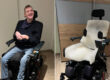
- True individualization: Programmable Foam® unlocks a level of customization that was impossible with manual methods. Technicians can now engineer firm inner structures for skeletal stability alongside soft outer surfaces for immediate comfort, all within a single piece of material. This is a massive win for managing complex conditions like severe scoliosis.
- A smarter design focus: The team has learned that the secret to managing pressure is not about how soft the padding is, but how perfectly the shape is captured during the initial vacuum casting. When the shape is exact, the body is supported naturally.
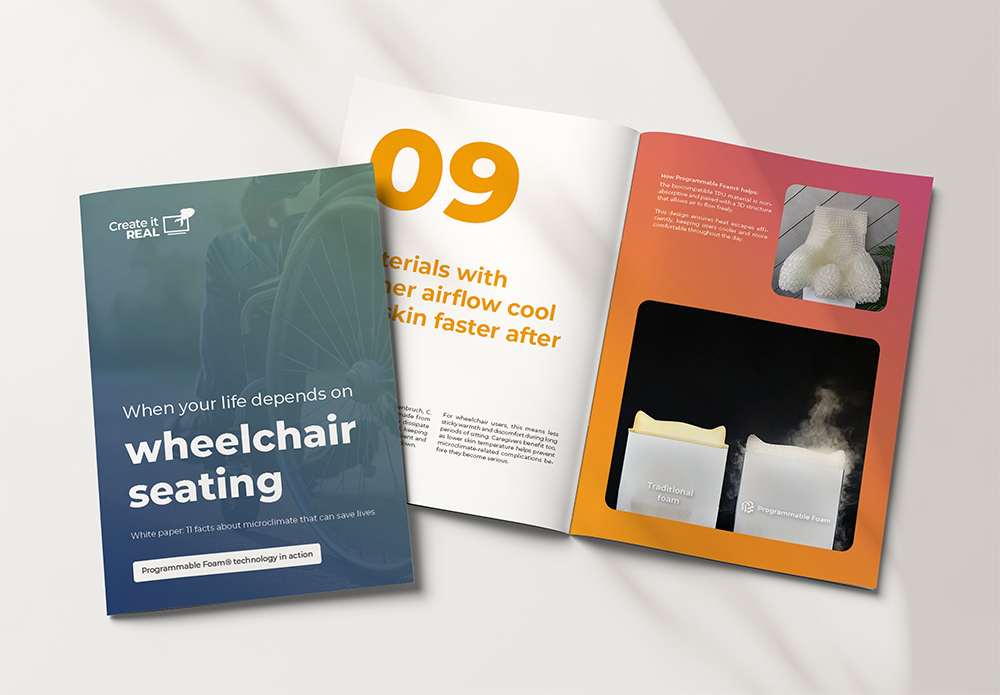
- Better health outcomes: Pairing a perfect anatomical shape with breathable material has helped eliminate chronic skin irritation, excessive sweating, and painful pressure sores that often come with traditional foam seats and rigid body corsets.
- Effortless hygiene: Traditional foam acts like a sponge, but these 3D-printed seats let water and air flow through freely. The seating elements can be removed quickly without any tools and machine-washed, keeping everything dry, clean, and entirely odor-free. As Jan notes, this is a difference that parents, nurses, and clients notice immediately.
- Durability that lasts: These digital seats are built to withstand the test of time. For example, Bernd has been using his seat constantly for over two years without any loss of support or structural damage. This durability saves families and healthcare providers from the costly, frequent replacements required by traditional materials.
Looking ahead
The success of the Melle workshop is already influencing the wider orthopedic profession. Jan has recently joined a committee that evaluates and certifies new technicians in training who use digital tools, ensuring these modern skills become a formal part of the industry’s future.
“Now I am part of a committee that is working on how we can prove orthopedic technicians in training who came up with a digital solution. That wasn’t part of the job before, and now it is more important than ever.” Jan Warnke
Looking forward, the team is focused on making their workshop even more efficient. Their next project involves digitalizing the fabric cover-making process using a laser plotter to cut material precisely for sewing.
Through all these advancements, the core motivation remains exactly the same: providing the absolute best solutions for clients by taking a holistic approach to comfort, hygiene, and care. By securing their place as innovative leaders, the RAS team is actively defining the future of orthopedic technology.
“We are proud that we can say RAS team is high on point. We are one of those companies who are working with this new digital technologies. We are open-minded for new solutions, for new technology that we can give to our clients.”
— Jan Warnke