Prosthetic socket
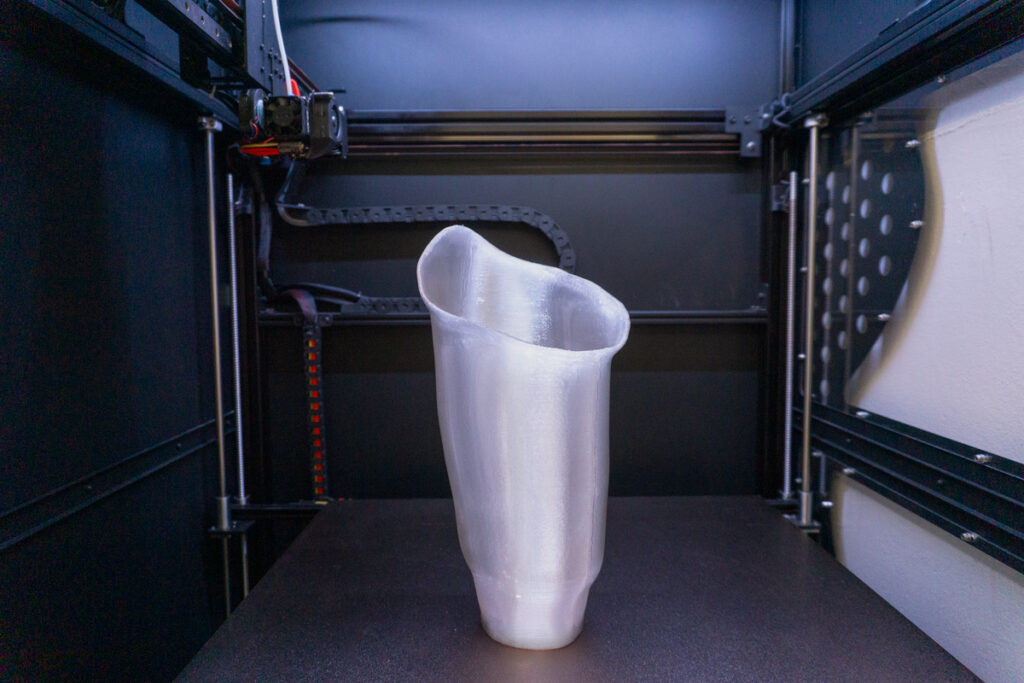
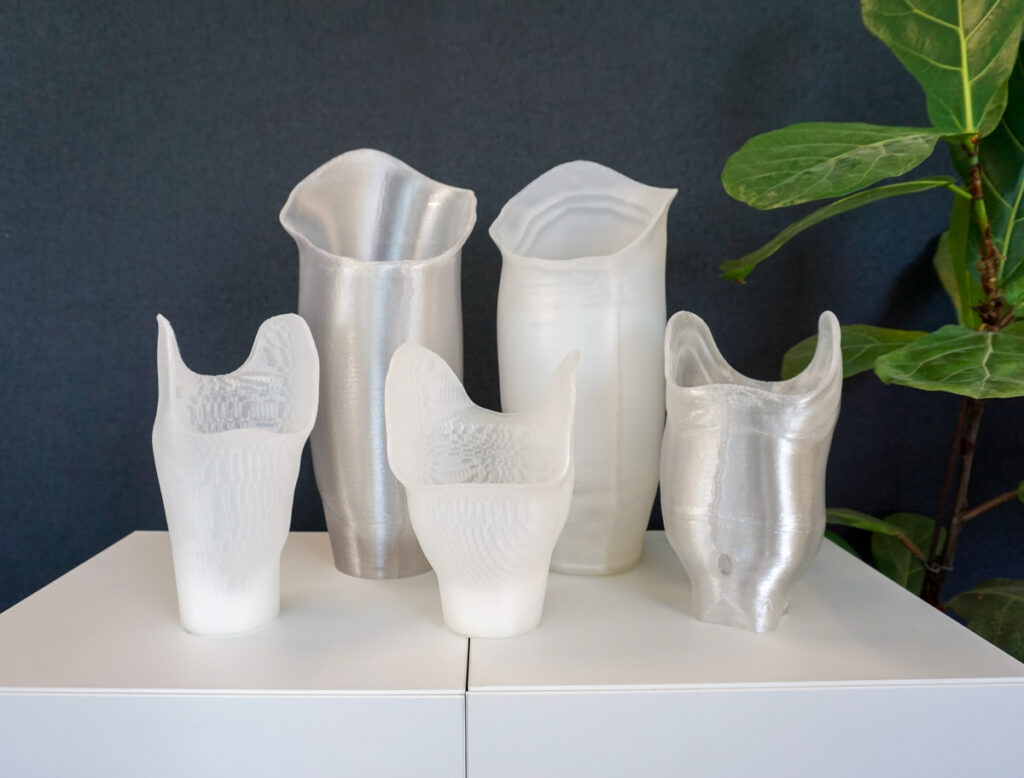
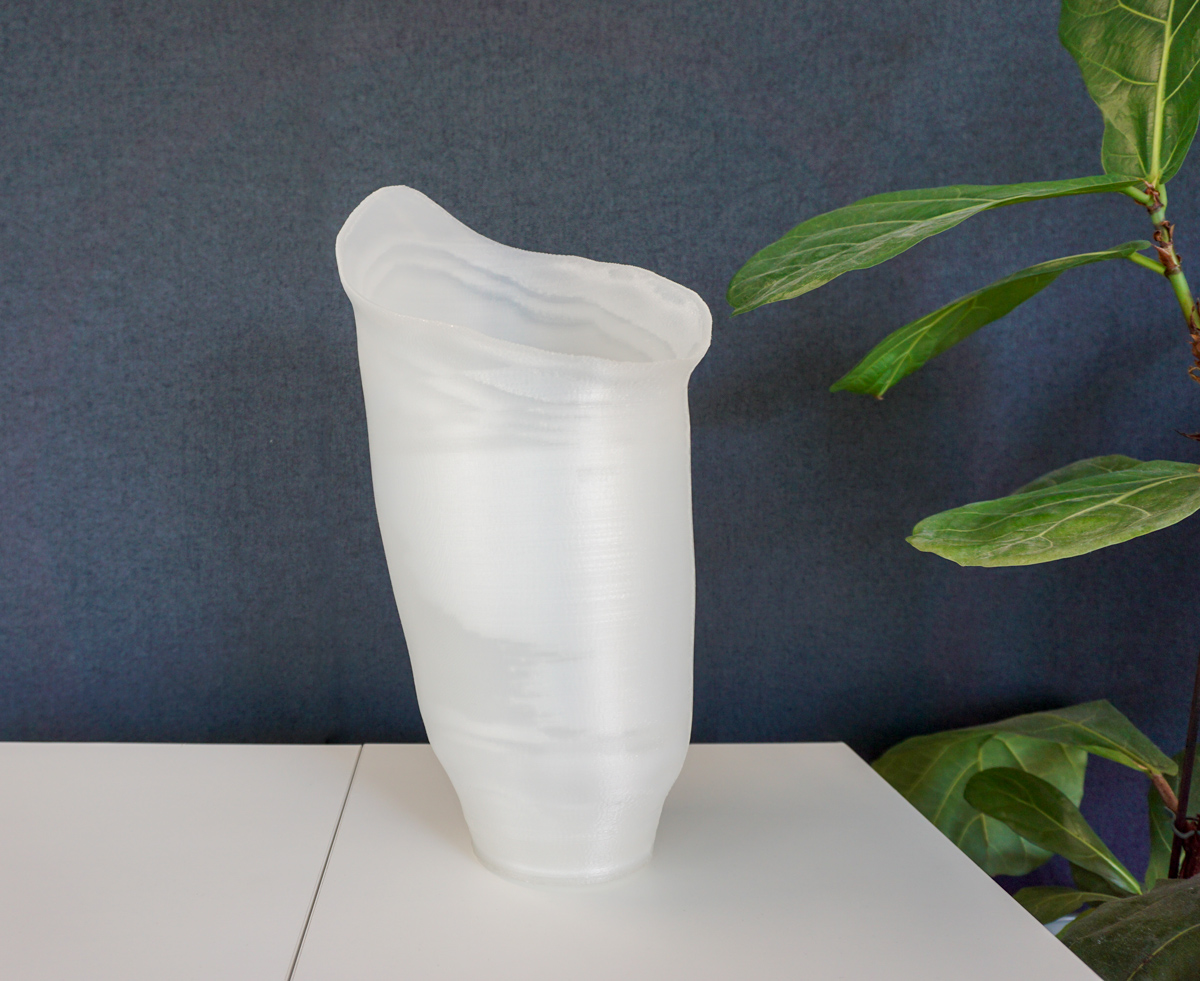
The Programmable Plast™ socket integrates precision and strength into a seamless digital workflow for high-end custom devices. Perfect match for test or check sockets.
Change the way you make sockets forever

Patient comfort
Strength

Cost-effective
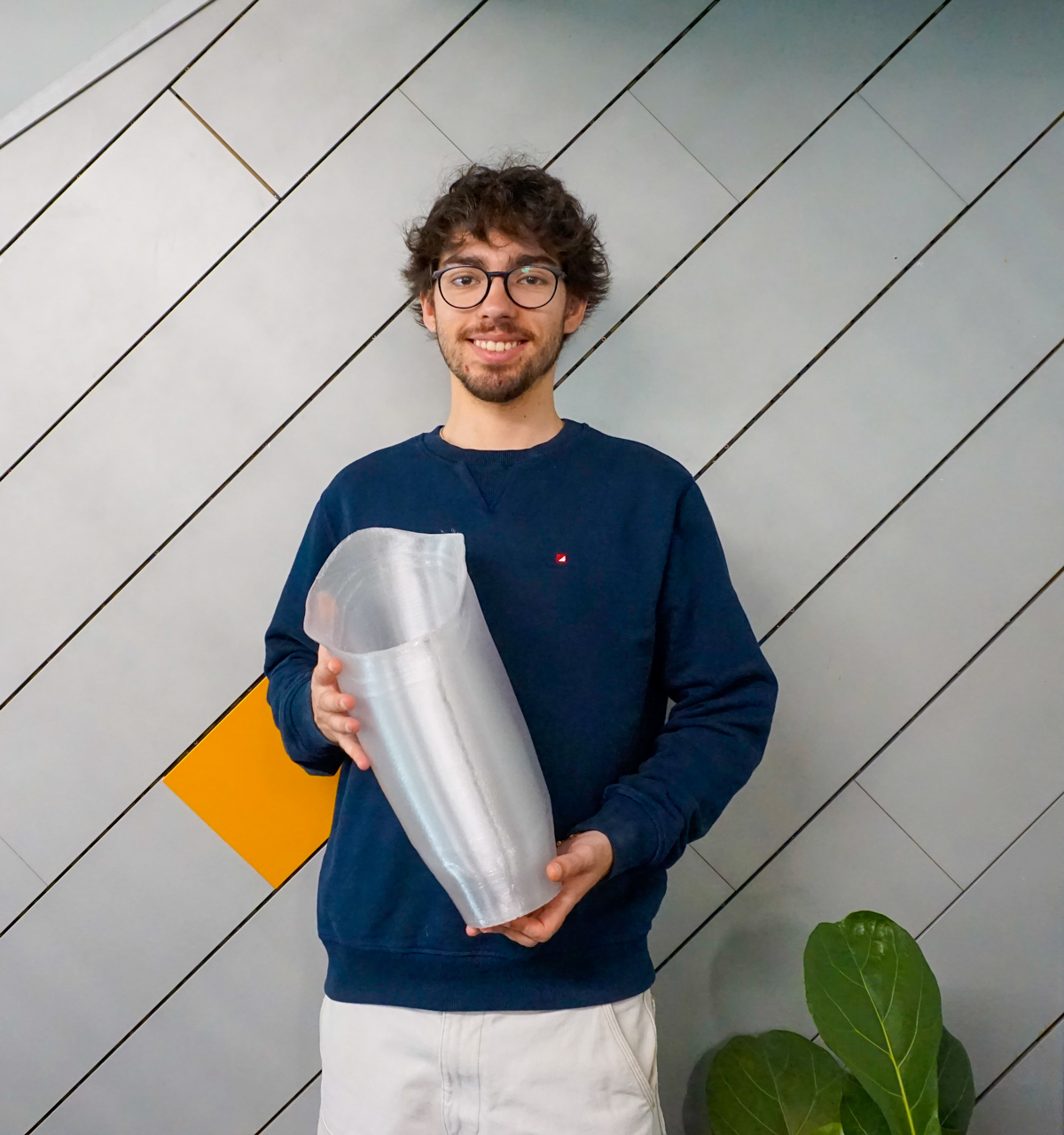
Explore the advantages gained through a digital workflow:
Workforce scalability
Modern digital tools allow new staff to master socket design quickly without years of manual training.Absolute precision
Digital files ensure consistent geometry every time.Visual validation
Transparent materials let clinicians see skin pressure in real time, ensuring a perfect fit for patients.Waste reduction
Additive manufacturing uses only the material needed, significantly decreasing the environmental impact of your prosthetic lab.Clinical focus
Reducing time spent on manual lab work allows prosthetists to dedicate more hours to patient care.Replicable
Need a second socket or a replacement? Simply reprint or adjust the original file without starting over.Scalability
Digital workflows make it easy to scale production or offer remote production services for other clinics.Better aesthetics
3D printed sockets offer a clean, modern look that reflects the high-tech nature of modern prosthetics.
Above and below the knee applications
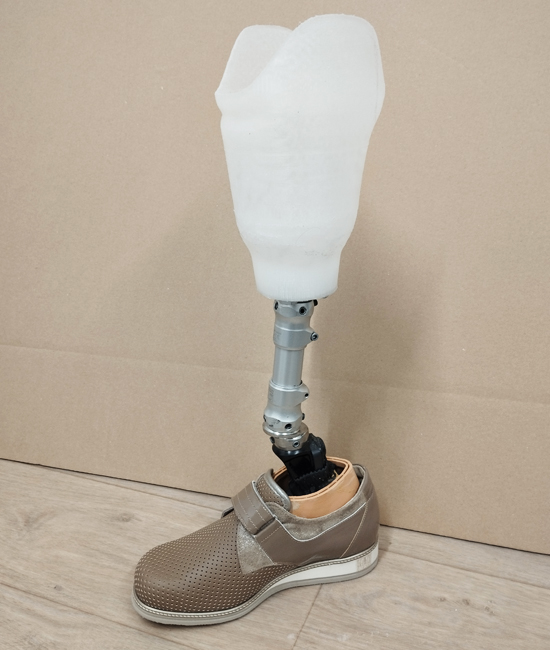
Our workflow enables the orthopedic professional to design and manufacture both transtibial and transfemoral diagnostic sockets using Programmable Plast™ technology. While the material profiles remain consistent, the system provides the professional with the flexibility to adapt the device to the patient’s specific anatomical needs. This ensures that the clinician retains full control over the custom design while benefiting from a validated printing strategy.
Programmable Plast™ serves as the foundation, enabling the expert to deliver a high-end, custom device perfectly suited to each individual’s mobility requirements.
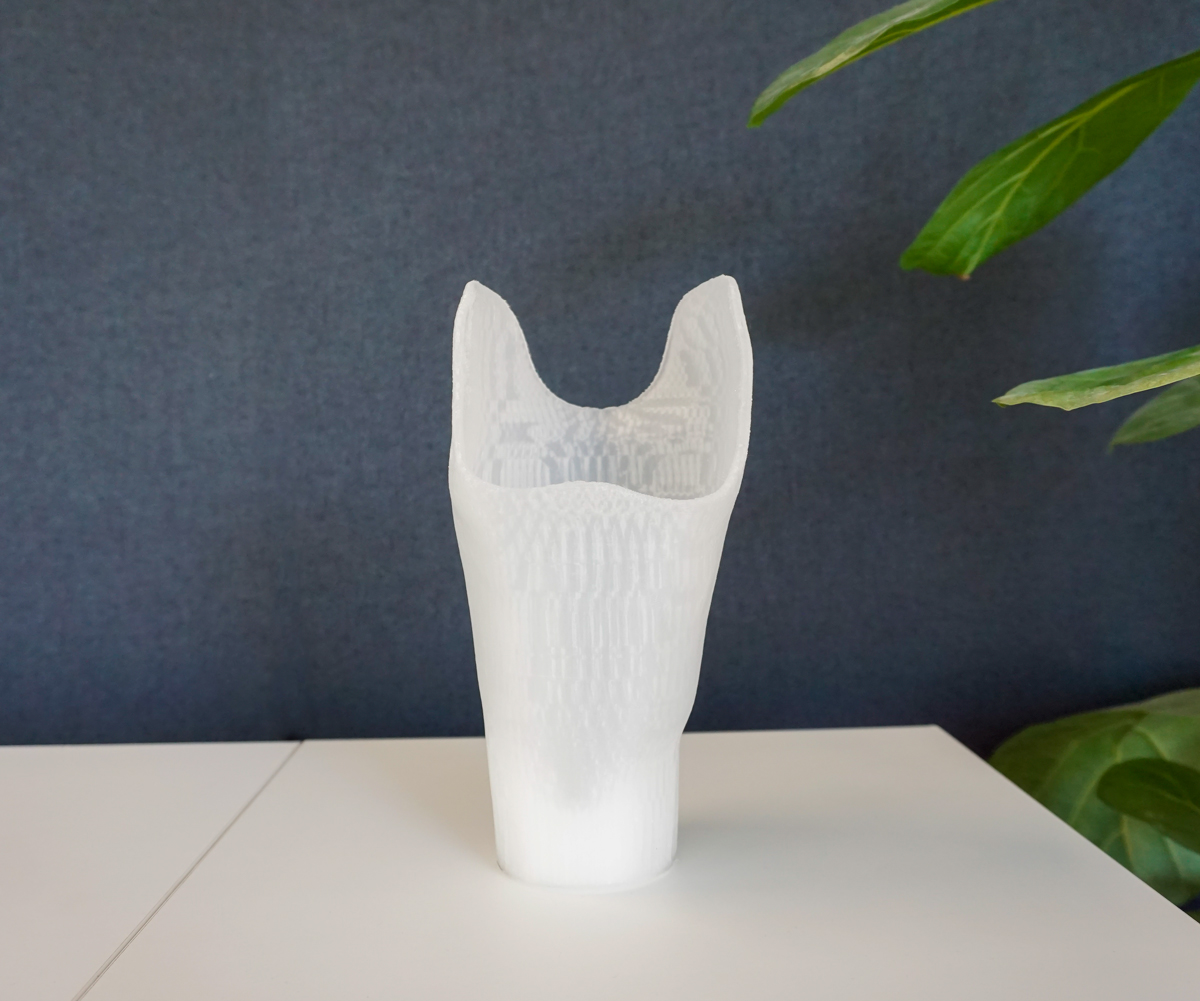
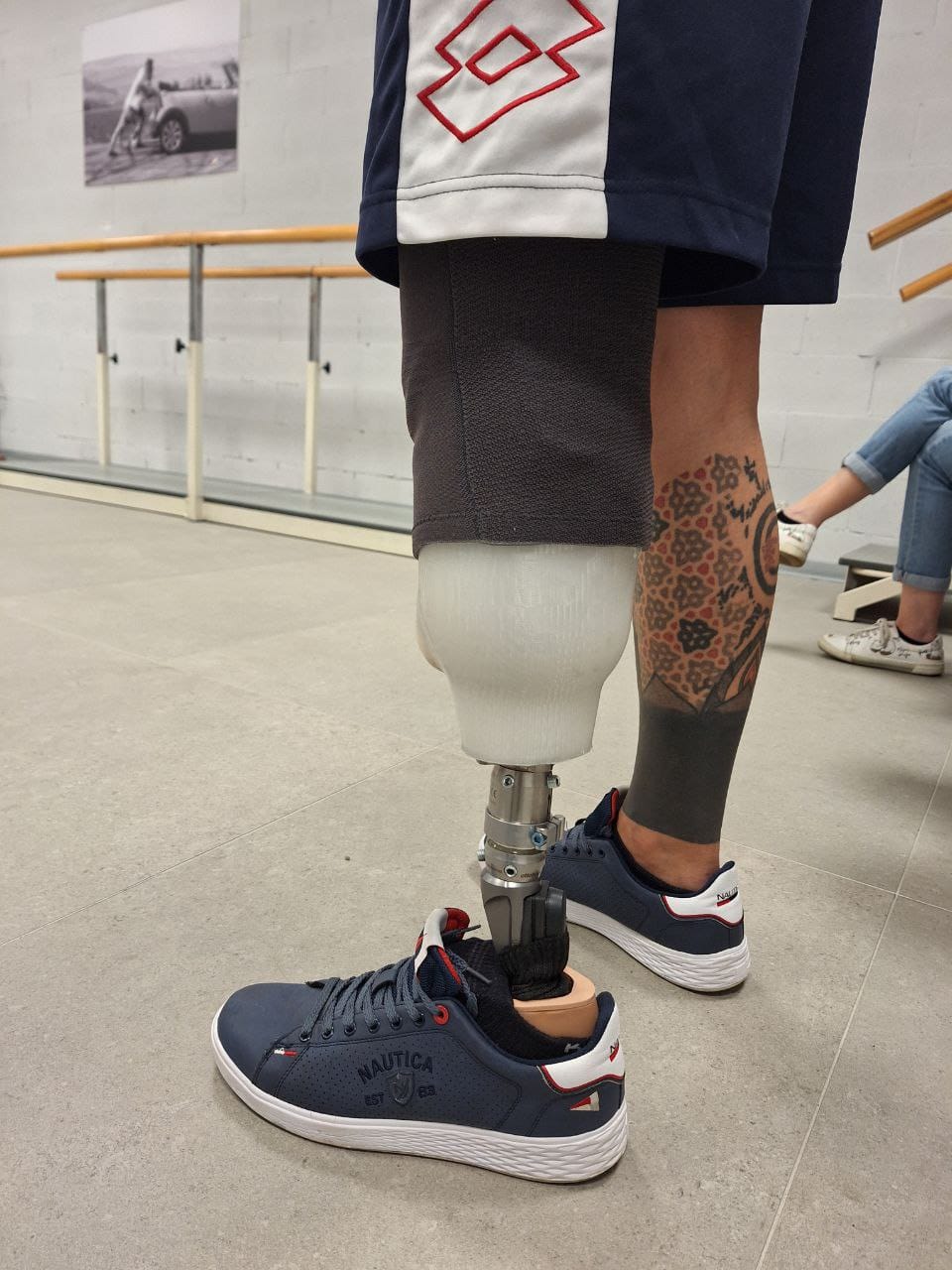
Officina Ortopedica Maria Adelaide transforms socket production
As a Create it REAL reseller in Italy, Officina Ortopedica Maria Adelaide recognized the opportunity to expand the Embrace Corset solution into the prosthetics market.
By moving away from traditional plaster casting and manual thermoforming, they have successfully produced over 50 Above-Knee (AK) and Below-Knee (BK) sockets using the Embrace CorsetMaker.
Their workflow now allows them to print up to three sockets simultaneously, having them ready for patient testing the very next day. This digital evolution has not only improved their internal efficiency but has also allowed them to begin remote production for other client companies.
Engineered for structural strength
Our patented print strategies were developed specifically for strength gain and work perfectly for prosthetic applications. While standard 3D printing often lacks the necessary durability for weight-bearing devices, our Programmable Plast™ technology focuses on strategic layer orientation and material deposition to maximize structural integrity. This allows orthopedic professionals to use an accessible, easy-to-operate FDM workflow without compromising strength.
These optimized strategies ensure that each diagnostic socket withstands the significant pressures and mechanical stresses encountered during gait trials. By providing a solution that is both easy to implement and clinically reliable, we enable clinics to confidently deliver a product that performs at the highest level.
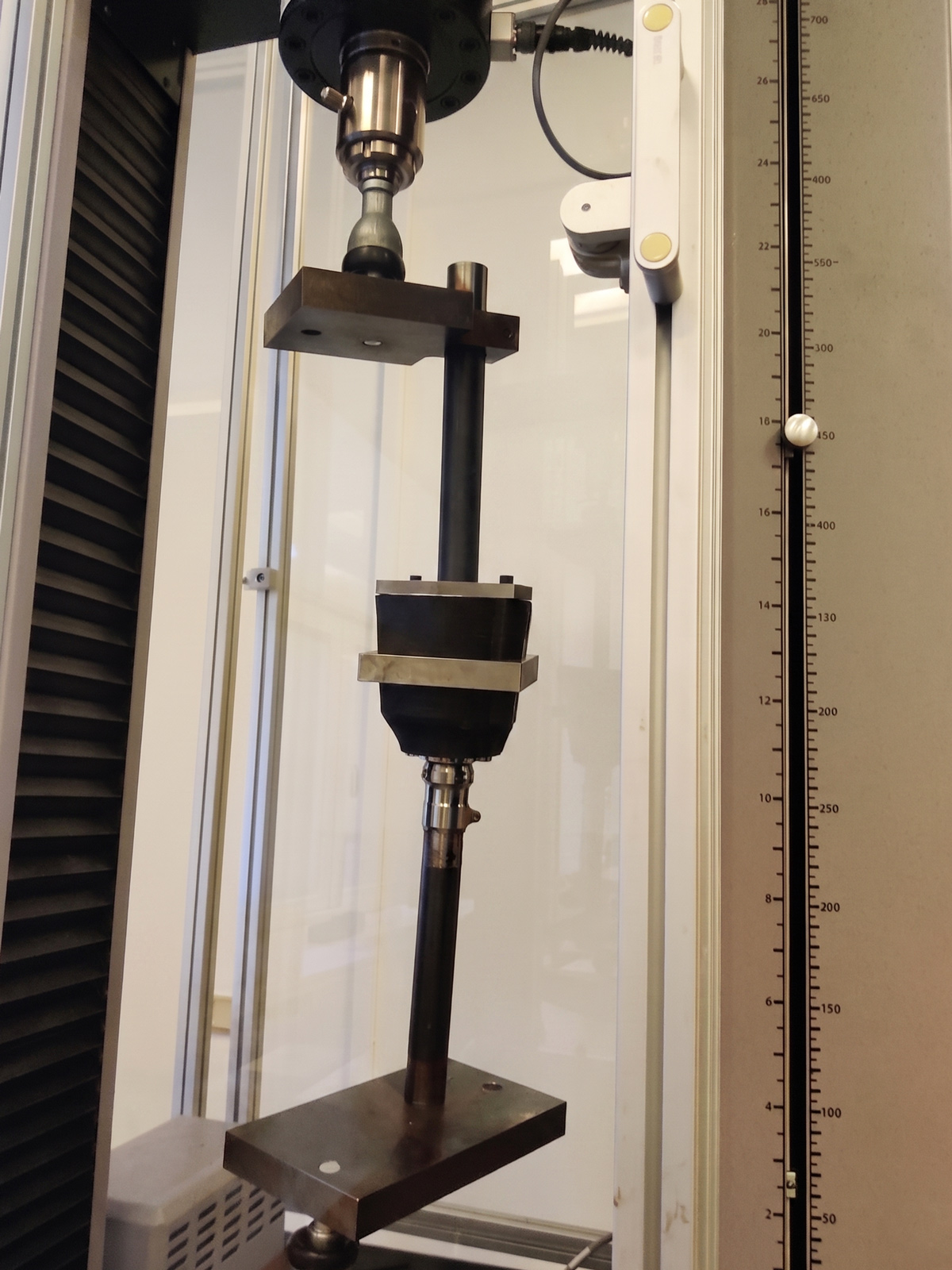
When does it break?
What happens when we test PETG material using our patented strong print strategies?
In this video, we explore the limits of material strength and demonstrate the clear advantages of specialized printing profiles. You will learn how to achieve a 60% increase in strength by optimizing the slicing and printing process.
Imagine what you can do for your clients
With our specialized strength printing strategy, we enable you to create Above-Knee (AK) and Below-Knee (BK) sockets tailored to each patient’s unique anatomy—delivering an optimal balance of durability and comfort.
A new approach to prosthetic sockets
The transition to FDM printing is reshaping how sockets are manufactured, offering orthopedic professionals a path toward lighter, more comfortable devices. This technology allows for high customization tailored to each patient’s residual limb and specific mobility needs. For diagnostic sockets, additive manufacturing simplifies the design process, enabling easier accounting for anatomical nuances while providing a structurally sound base for initial gait analysis.
This digital shift replaces the labor-intensive and physically demanding tasks traditionally associated with plaster room work. By moving away from the messy process of casting, carving, and heavy sanding, clinicians can eliminate the most strenuous parts of the fabrication cycle. This modernization creates a cleaner workshop environment and allows the skilled workforce to focus its expertise on clinical design rather than manual labor.
Labor and knowledge sharing
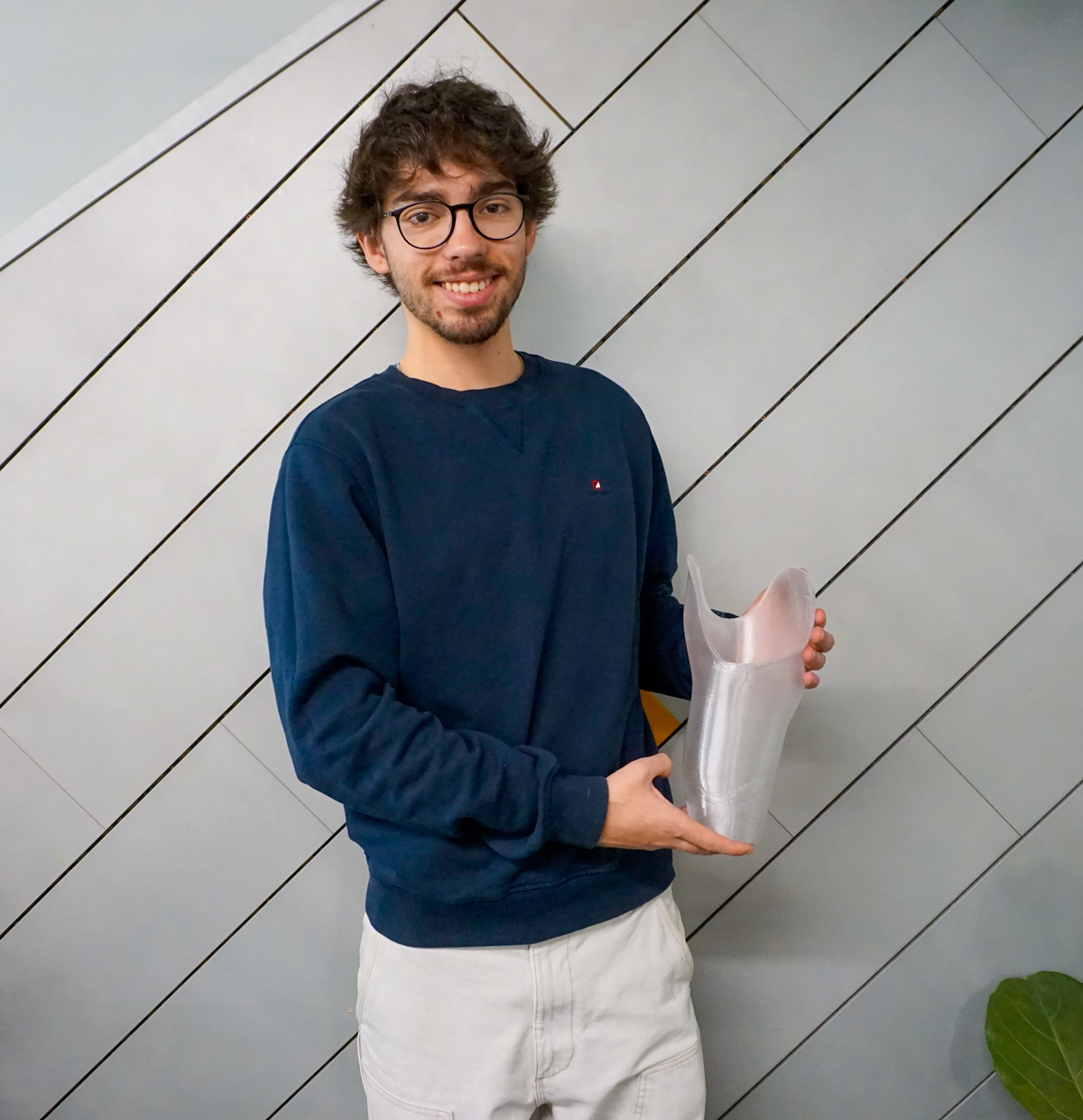
Modernizing the laboratory environment is essential for attracting and retaining the next generation of orthopedic professionals. As the industry faces a growing shortage of skilled technicians, the transition to a digital workflow offers a vital solution. New graduates are increasingly seeking workplaces that prioritize advanced technology over the physically taxing and messy traditions of manual plaster rooms.
By implementing 3D printed socket production, clinics can significantly reduce heavy lifting, dust, and manual carving. Moving to an additive manufacturing model creates a cleaner, more appealing workspace that aligns with the expectations of a modern workforce and a digital workflow, thereby enabling knowledge sharing. The most significant efficiency is the gain in clinical time. While the printer is producing the device, the professional is free to move on to other tasks or see more patients. This automation enables a higher volume of care without increasing the staff’s manual workload.
Print on demand or power your own production line
3D print service
Production solutions
Patient compliance and experience
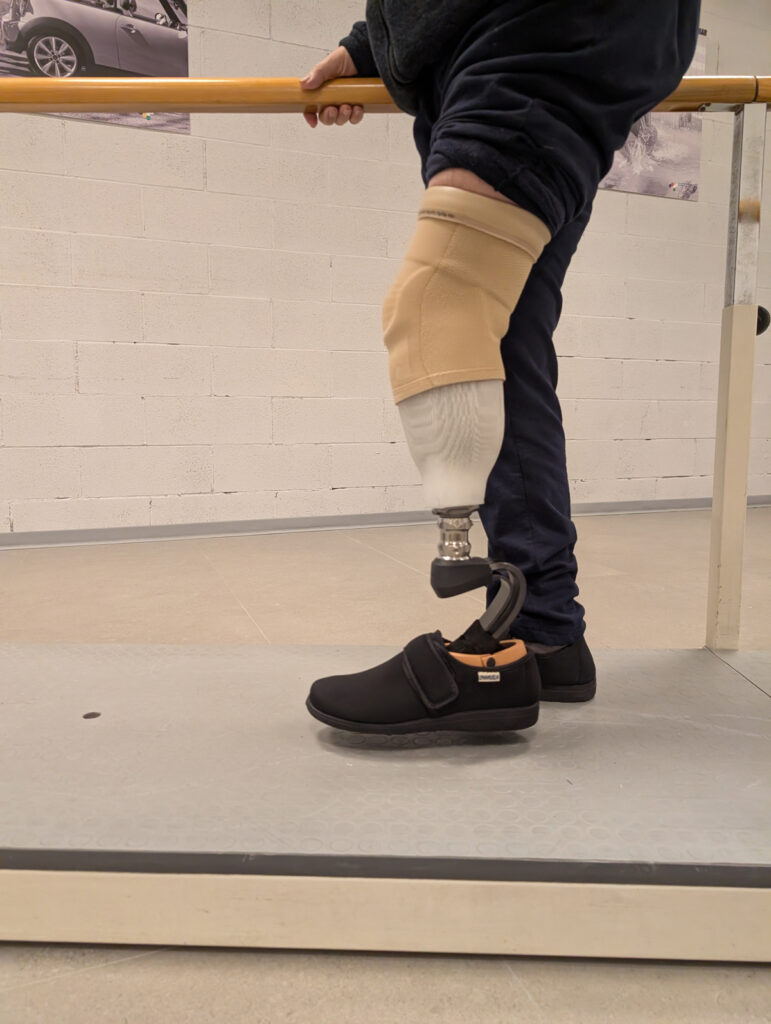
The initial fitting process is a critical moment for newly amputated patients. Traditional plaster casting can be a messy, invasive, and physically exhausting experience during a time of significant personal transition. By replacing this with 3D scanning and a digital workflow, the clinic offers a professional, non-invasive environment that respects patient comfort.
A clean, high-tech process builds immediate trust in the device’s quality. For a new amputee, seeing their residual limb captured precisely through a scanner rather than wrapped in wet plaster reduces the stress of the appointment. This modern approach encourages better compliance with the fitting schedule, as the patient feels like an active participant in a sophisticated clinical process rather than a subject in a manual workshop. The resulting diagnostic socket is lightweight and provides a clear, professional appearance, helping the patient feel more confident as they take their first steps on their rehabilitation journey.
From digital model to physical socket
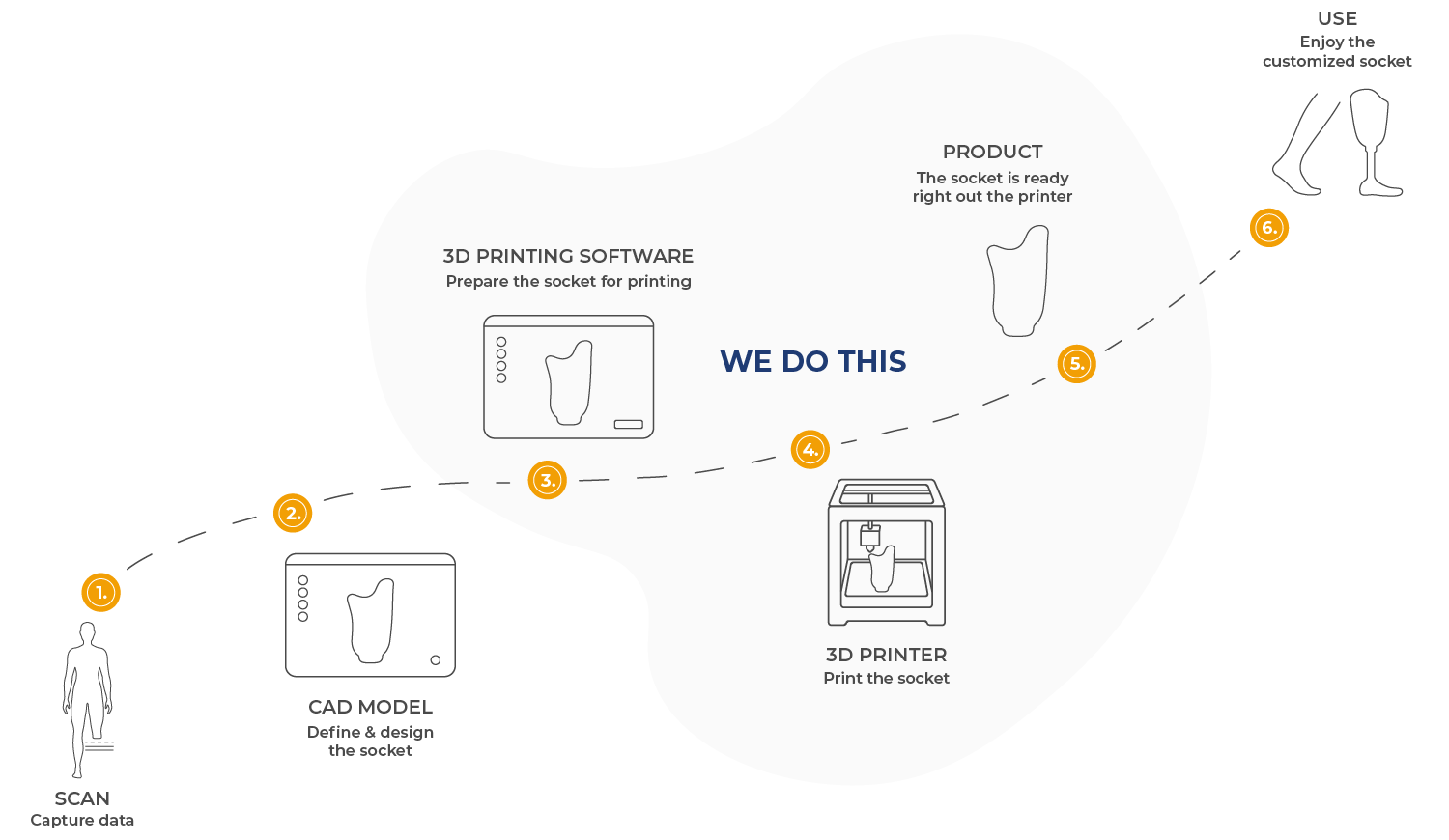
A digital workflow means no physical molds to store, no manual shaping, and far fewer material offcuts. Once a scan or measurement is taken, the socket can be designed and printed with high precision, including mounting points for hardware. This process makes it easier to make adjustments or reprints, which is especially useful when managing volume changes in the residual limb.
Print sockets on the Embrace Corset solution
Sockets can now be designed with integrated attachment points, supporting the prosthetic structure where stability is needed most. By utilizing the Embrace CorsetMaker, clinics can choose the material that best fits the clinical goal.