The story of Bernd and his 3D-printed seat - two years later
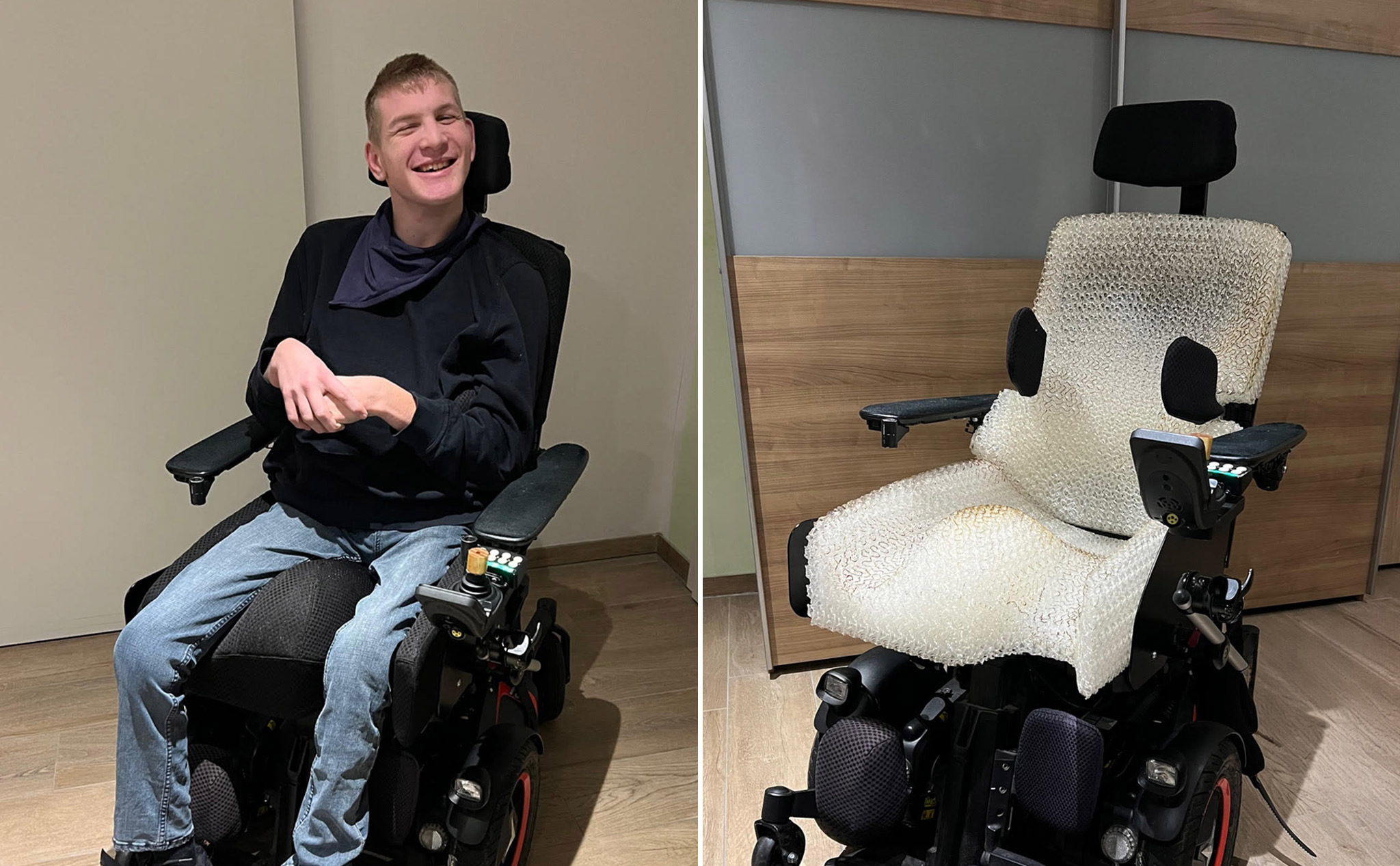
When we first shared the story of Bernd and his custom Programmable Foam® wheelchair seat over two years ago, the technology was full of promise but had not yet been proven in long-term daily use. And the professionals know that in the world of complex orthopedic care, the real test isn’t how a solution looks on day one, but how it performs after thousands of hours of daily use. We had the chance to see for ourselves when Bernd recently returned to the clinic for a check-up, providing the RAS team with the ultimate two-year reality check.
The results? The technology didn’t just pass; it proved to be a game-changer for long-term durability.
Built to last on the family farm
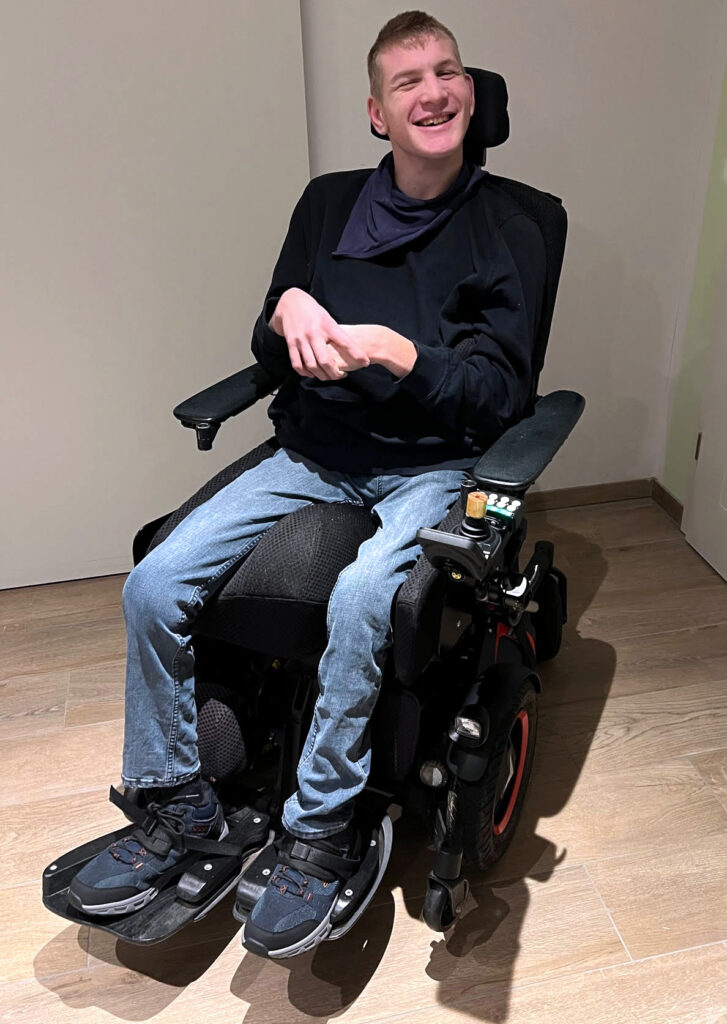
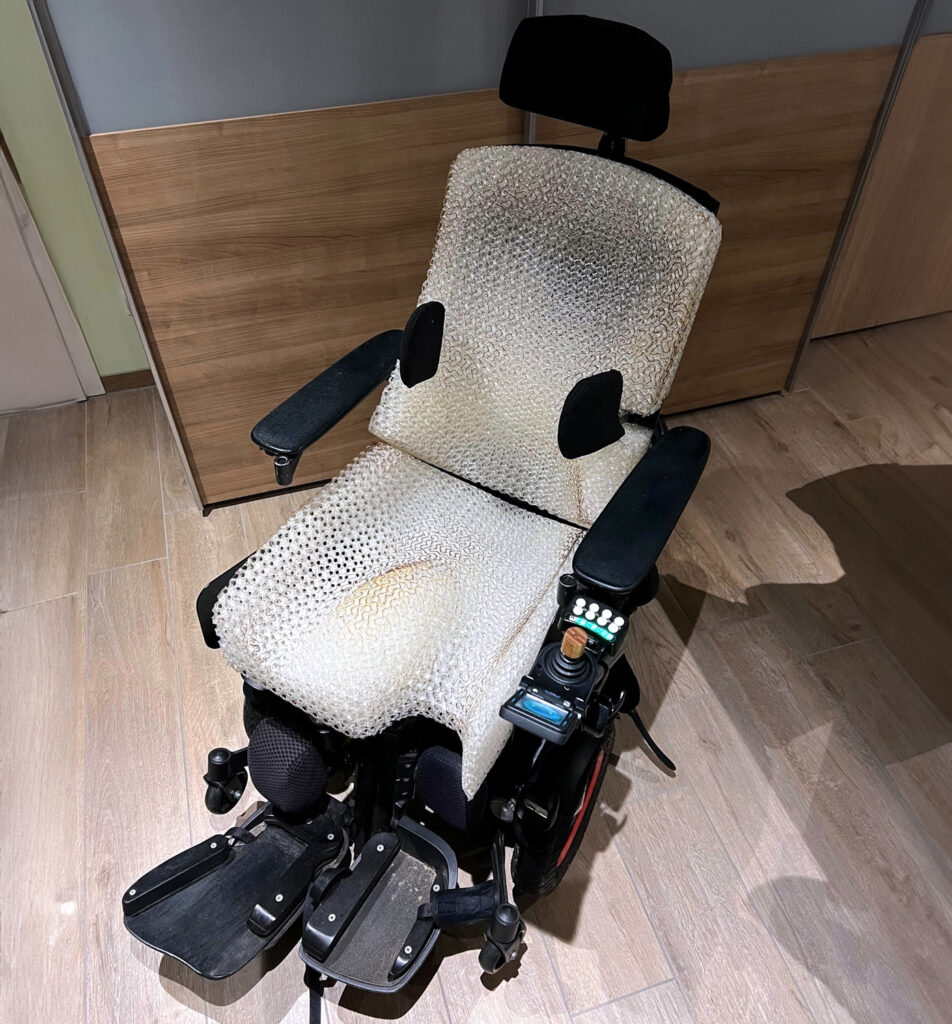
Bernd’s daily life is active. He recently upgraded to a new, heavy-duty electric wheelchair designed to give him the stability he needs to safely navigate his parents’ farm. When orthopedic technician Jan Warnke inspected Bernd’s seating system during the transition to the new power chair, he was thrilled to find that the Programmable Foam® seat still looked really nice and functioned perfectly.
After nearly two and a half years of constant exposure to the demands of farm life, the seat showed no signs of structural degradation. Jan confirmed that there is absolutely no need to manufacture a new seat, truly.
Defeating the limitations of traditional foam
This milestone highlights a massive victory over conventional materials. If Bernd had been sitting on a traditional carved foam seat for the last two and a half years, the material would be flat, compressed, and severely damaged by now, requiring a costly and time-consuming replacement.
Instead, the specialized printed structure has maintained its exact ergonomic shape, yielding significant long-term cost savings and continuous medical protection. For Bernd, that structural integrity translates to life-changing health outcomes:
- The chronic sweat and moisture problems he used to endure are completely gone.
- He experiences no more hip issues or painful pressure points.
- He remains incredibly happy and comfortable in his chair every single day.
"I think it's a little bit over two years now... And he's still very happy. No more hip problems. No pressure points. The sweat problem is gone. If it were a foam seat, it would be very flat now. With foam, it would be damaged, so you have to do a new one."
Turning heads in the industry
Where the RAS team immediately saw the potential in the new technology, the case of Bernd has been a milestone in many ways. Jan has been presenting the case and technology at several conferences so far. This means that the success of Bernd’s case hasn’t just transformed his own daily life; it is shifting perspectives across the entire orthopedic sector. The clinical outcomes have generated significant industry recognition, earning Jan Warnke an invitation to author a specialized article for a prominent German orthopedic technology magazine. What started as an innovative digital experiment two years ago has officially become the blueprint for the future of durable, patient-centered care.
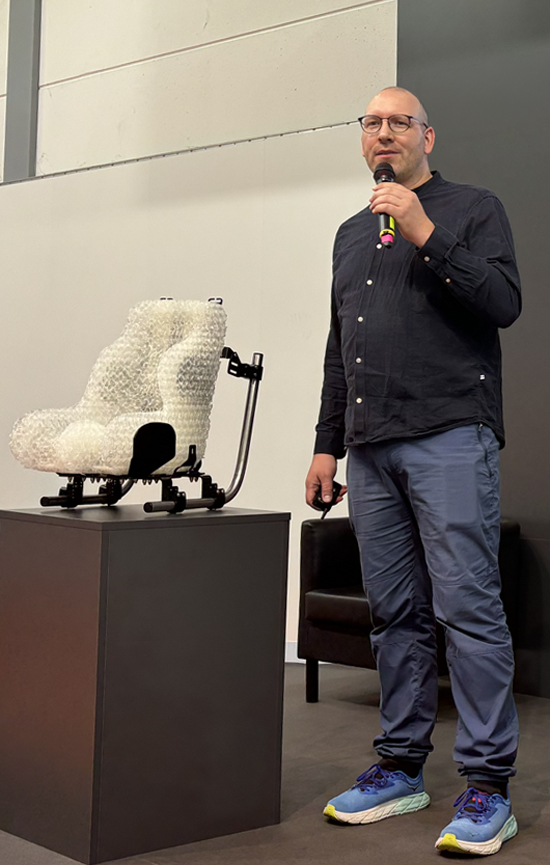
“In Germany, we have a special magazine for orthopedic technologies ... and they have asked me to write an article about 3D printed special seats. It’s great. It feels good.”
The passion for patient care is obvious, and since Bernd, more patients have discovered the Programmable Foam® technology through the RAS team and Create it REAL partners worldwide.