Empowering better lives
Aalborg Municipality’s pilot study on 3D-printed seating
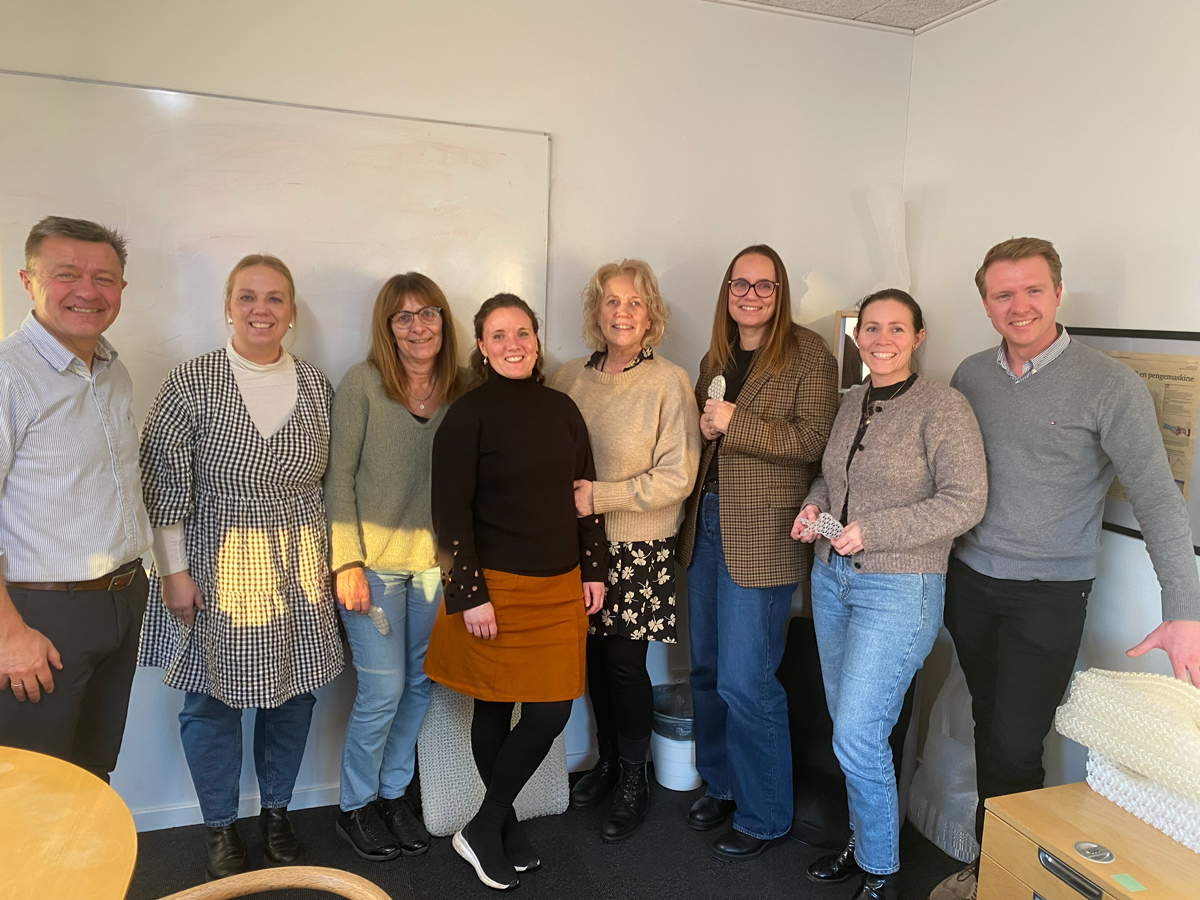
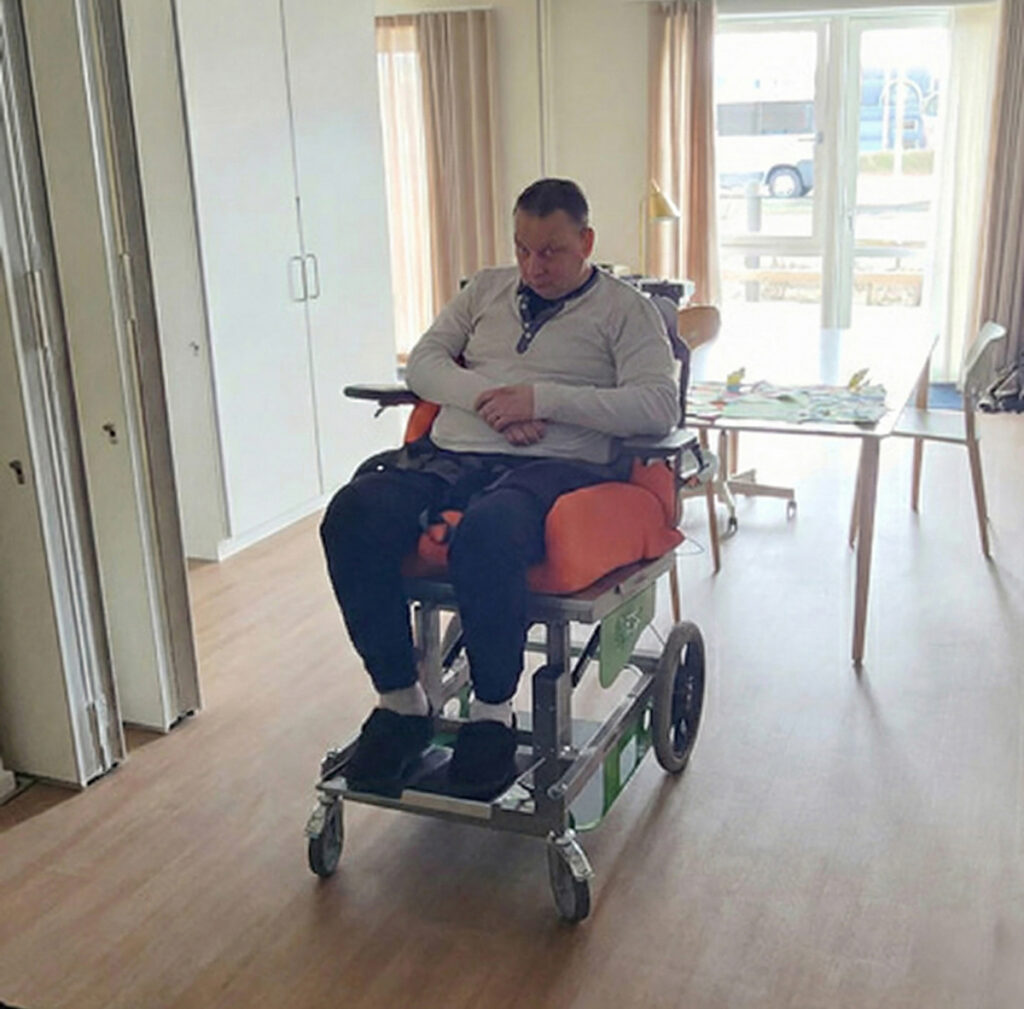
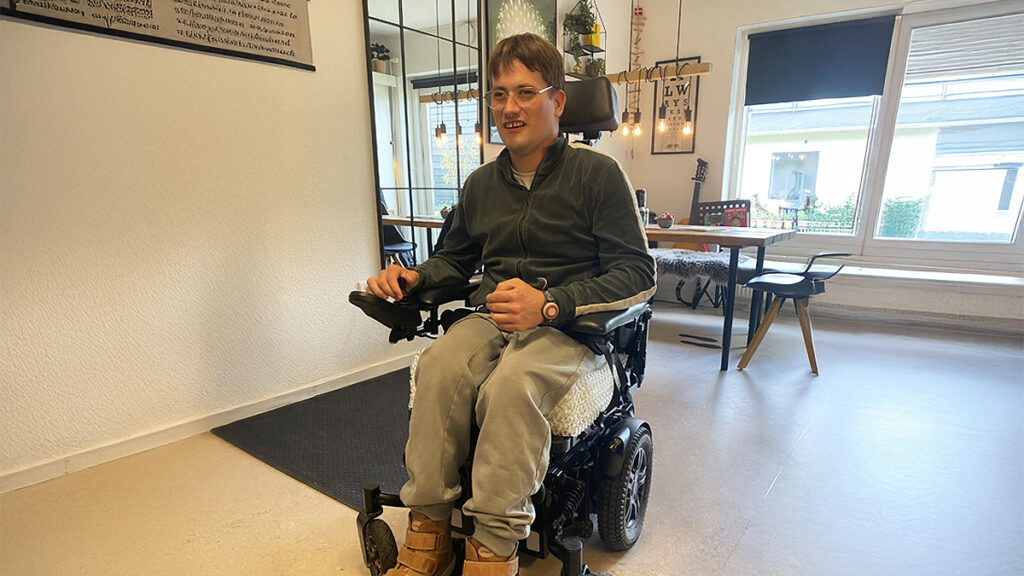
In a groundbreaking collaboration, Aalborg Municipality, Team Digital Velfærd, and Create it REAL recently completed a comprehensive pilot project investigating the impact of 3D-printed, pressure-relieving seats for wheelchair users. This study moved beyond the lab and into the real world, testing custom-made solutions with citizens across several residential facilities, including Bakken, Kridtsløjfen, and Studievej 15.
The findings confirm that when a municipality takes active responsibility for investigating new technologies, the rewards for citizen well-being, employee workplace safety, and environmental sustainability are significant.
Why customization matters
Traditional wheelchair cushions, often made of foam, gel, or plastic, often fail to account for the user’s complex anatomy. In Aalborg Municipality, data from 2025 showed that 31% of wheelchair users were either suffering from or at high risk of developing pressure ulcers. These injuries lead to pain, reduced quality of life, and costly medical complications.
The pilot project utilized Programmable Foam®, which is made of TPU (Thermoplastic Polyurethane)—a flexible, skin-friendly material that allows for an open, ventilated structure. This unique design addresses the microclimate, which is the heat and moisture buildup that often accelerates tissue breakdown.
Key findings: A triple win for the community
1. Citizen well-being and recovery
- Reduced pain: Citizens reported less soreness and tension.
- Skin health: One citizen saw a significant reduction in existing pressure ulcers, while another experienced a decrease in skin redness caused by moisture.
- Active participation: Improved stability gave users more energy to participate in daily activities, directly supporting the municipality’s goal of recovery-oriented rehabilitation.
2. Healthier working environments for caregivers
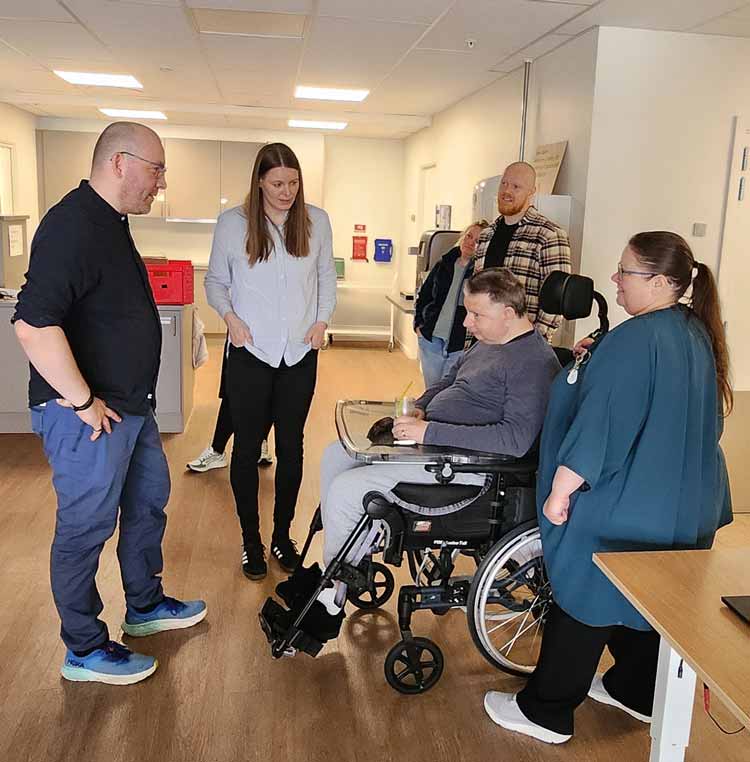
Better seating doesn’t just help the user; it helps the staff.
- Fewer corrections: Employees reported needing to make fewer manual corrections to citizens’ seating positions.
- Reduced physical strain: This decrease in manual handling contributes to a better physical work environment and reduces the risk of work-related strain.
3. A sustainable, circular business case
The project highlighted that 3D printing is a future-proof choice for municipalities:
- Zero waste: Traditional foam seats can result in up to 50% material waste during production. In contrast, the 3D-printed filament used in this study resulted in less than 10 grams of waste per cushion.
- Recyclability: The TPU material can be melted down and reprinted up to five times without losing its structural integrity.
- Economic viability: The report estimates that by bringing production in-house, the cost per seat could drop significantly lower than many current specialized solutions.
The path to disruption
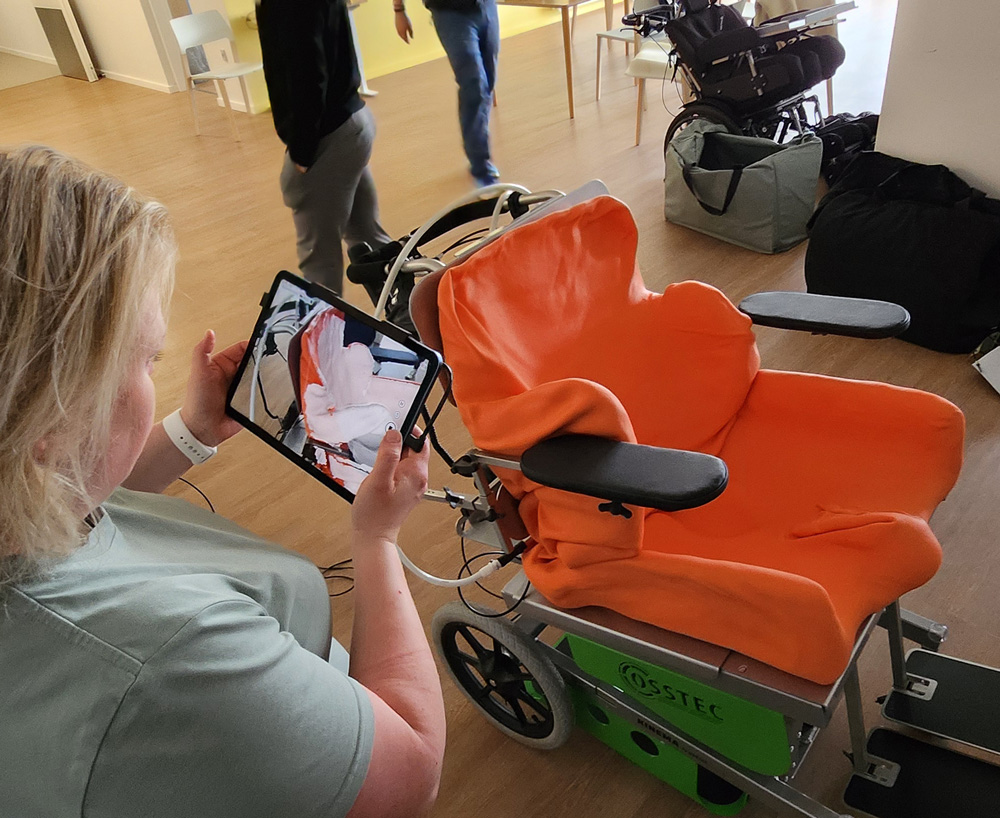
This project is more than a trial; it is a blueprint for how local governments can disrupt outdated procurement models. By utilizing digital tools—such as pressure mapping and 3D scanning—Aalborg Municipality has shown that it is possible to provide higher quality, more hygienic, and more individualized care at a lower long-term cost.
As the report concludes, there is a solid foundation to expand the project at a larger scale, paving the way for a future where sustainable, 3D-printed seating is the standard, not the exception.
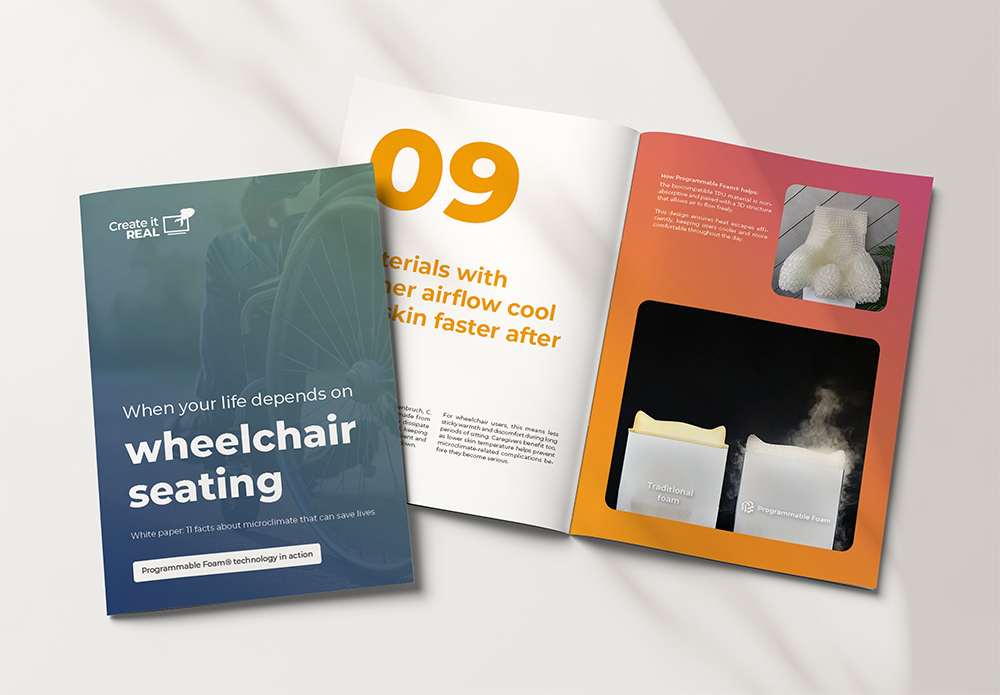
When your life depends on wheelchair seating
Download our white paper and learn why microclimate is a critical and often underestimated factor in wheelchair seating. Based on clinical research, standardized testing, and real-life user experiences, the paper explains how heat, moisture, and airflow directly affect pressure injury risk, hygiene, and long-term health.