Groupe Tolda is pioneering the industry by adopting a digital workflow
Every great story has a humble beginning, and for Groupe Tolda, that was Julien Cipière’s basement. From that modest start, however, a critical mission took root: establishing specialized pediatric care clinics, Neo Orthopedie and Kid Ortho. Julien faced a challenge: the necessary tools to effectively treat the smallest patients simply did not exist off the shelf. Leaving clinicians without the means to provide optimal care. The demand was immediate, and the solution had to be invented. This necessity for ground-up innovation, combined with a close, collaborative working relationship with doctors from day one, fueled rapid growth and quickly positioned Groupe Tolda as a relentless problem-solver dedicated to finding groundbreaking solutions to the most complex pediatric challenges.
“It has always been centered around pediatric care,” clarifies Julien Cipière. “That’s the core of everything. Our passion is the drive to use technology to solve complex problems for these children.” This philosophy led them to a breakthrough: adopting 3D printing. “It became absolutely critical for our business because it allowed us to help the smallest patients with highly customized orthopedic care.” This combination of high-quality problem-solving and advanced technology quickly earned Julien and his team the trust of the medical community, including close working relations with doctors and universities.
The company’s growth continued with a significant addition in 2015: Alice Parent. “The trust of the medical community is everything,” she emphasizes. “In the local areas of Bordeaux and Marseille, where our clinics are located, we are deeply trusted by doctors, and the pediatric community is well-connected.” She confirms the core principle that has driven their success from the start: “This technology foundation is what Groupe Tolda was founded on.”
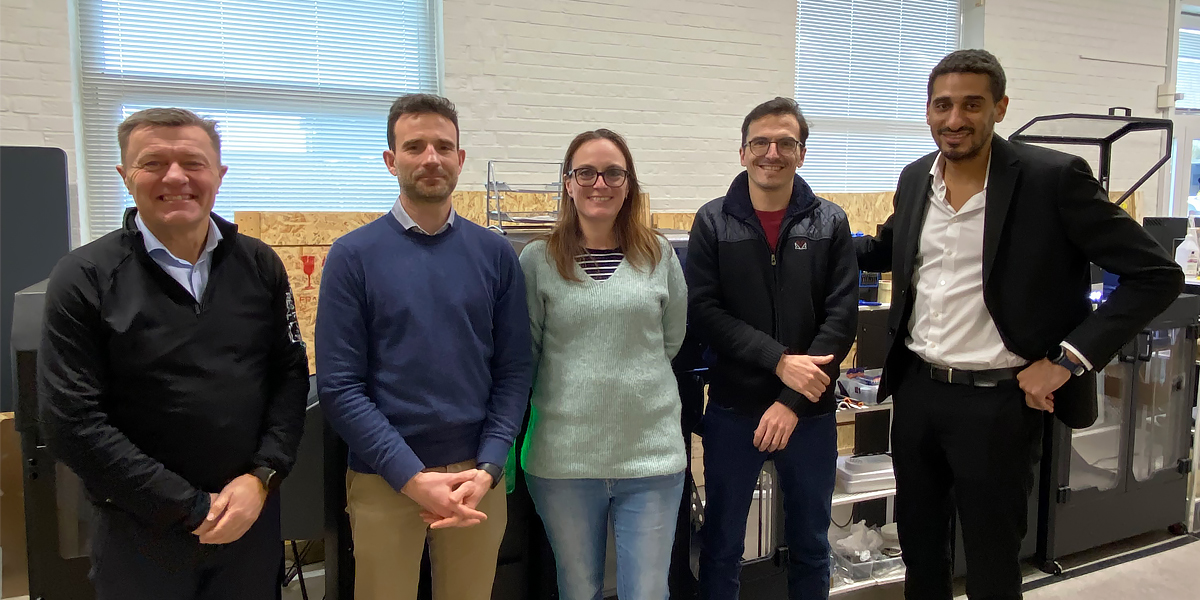
In 2018, Groupe Tolda was again constrained by space and moved to its current location. Today, the group has 30 employees. They are still running the clinics, Neo Orthopedie and Kid Ortho. In 2024 and 2025, print services were handled by Groupe Tolda, but a greater focus on print-on-demand has led to a new structure, where, at the beginning of 2026, they are establishing Tolda Print as a subsidiary of the main group. Let’s look at Groupe Tolda and the interesting story behind the establishment of Tolda Print.
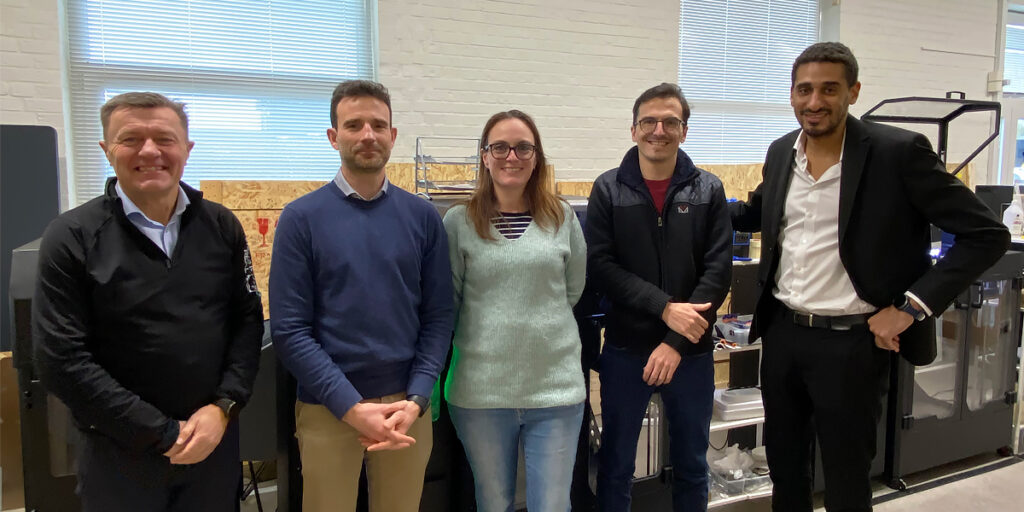
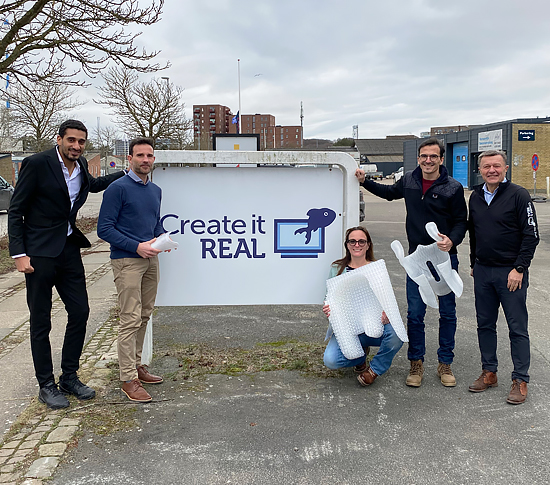
Meeting Create it REAL
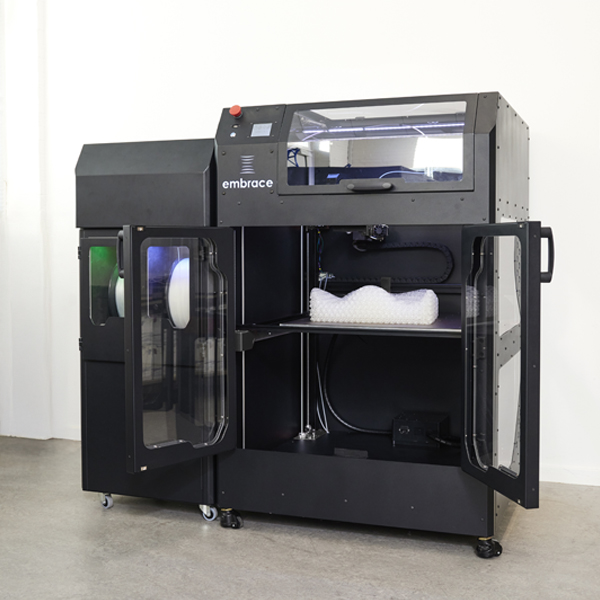
This was at the very beginning of Create it REAL, which was developing Programmable Foam® for seating. Over the next two years, both Groupe Tolda and Create it REAL were testing, exploring, and developing the technology. In this period, the technology matures, and actual seat production takes off. Several primary pediatric patients received seats and mattresses, and the doctors and local CPOs learned about the technology. In the spring of 2024, the demand was high enough for Groupe Tolda to add the first Embrace SeatMaker, and since then, they haven’t looked back.
Everyone should have access to this technology
Everyone working in this business knows that, in most places, doctors have both the responsibility and the last word when it comes to ordering devices for their patients, but it is the CPOs who design and produce the devices. So Groupe Tolda uses its entire network to spread the word, attends conferences just to show the technology, and educates CPOs on how to design. “Even though we were exploding because the possibilities are so huge with this technology, we stay humble and let them get the idea for themselves,” notes Alice, “we can see it spreads like rings in the water, and doctors are bringing their colleagues to us.
Alice points out that the seating and mattress areas have seen close to no updates in years, and they are stuck with the dust- and waste-heavy manufacturing processes of traditional foam. “They are really starving for news, and doctors and CPOs are as enthusiastic as we are,” continues Alice, “but we also see that the younger professionals are the early adopters and more eager to learn about new technology.”
In the beginning, they used the technology for their own patients, but gradually opened up. “Everybody should have access to the technology,” states Julien, “and we have decided to act on the rising request to produce devices for customers and make a print-on-demand service.” The first step was to include Jean Francois, the new COO, on the team; he is responsible for overall production. We are now separating all production to Tolda Print.
How to transform to a digital workflow
“To transfer to a digital workflow, they need to reorganize the way they work today,” details Julien, “At first glance, the production time is longer with the 3D printer, but the 3D printer replaces hours of manual work, where they can consult the next patient.” It is all about organization; at Groupe Tolda, customers book timeslots at Tolda Print’s printers because a patient may be travelling to get the seat fitted, and in this way, they can ensure they meet a schedule that fits their needs.
To ensure a successful transition for all their partners, Julien adds, “We spend 60% of our time educating, and it is the key to successful transformation. To understand how to exploit the potential of the technology.” The impact of this digital transformation is best shown through the real-world results of one partner. “We have verifiable results from a partner who fully transformed their workflow. Thanks to the digital workflow, they have reduced the needed consultations for seat construction and fitting from three to two,” illustrates Alice. “Their CPO told me that in the seat production, patient consultation, and hands-on time is reduced from 10 hours per patient to 5 hours, giving clinicians an extra 5 hours to focus on the patient and giving families back valuable time.”
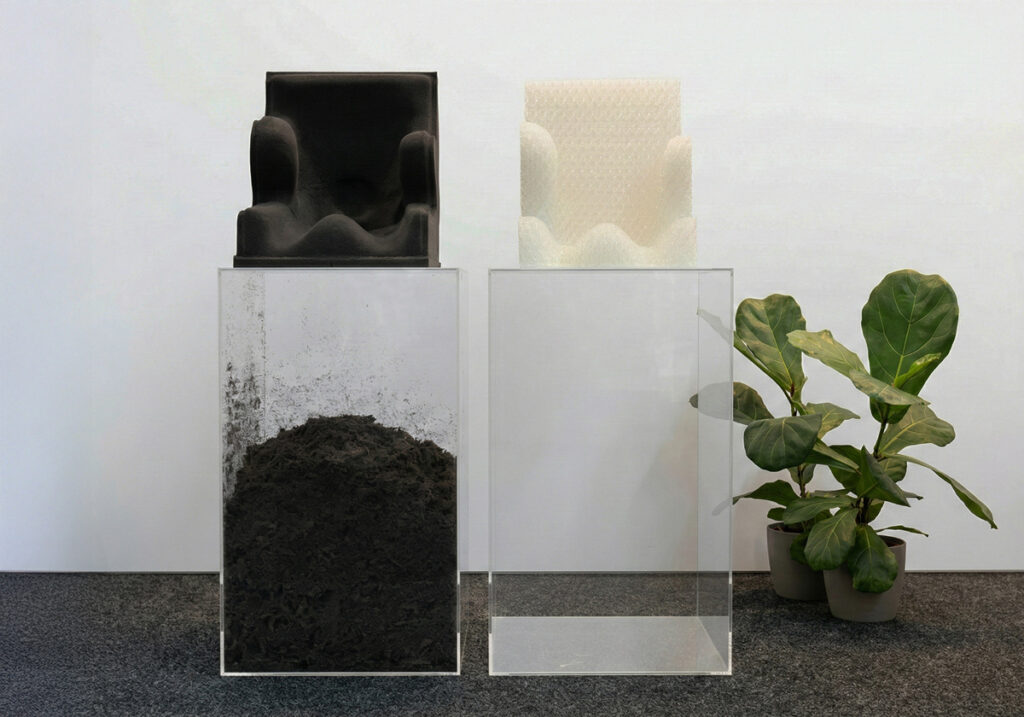
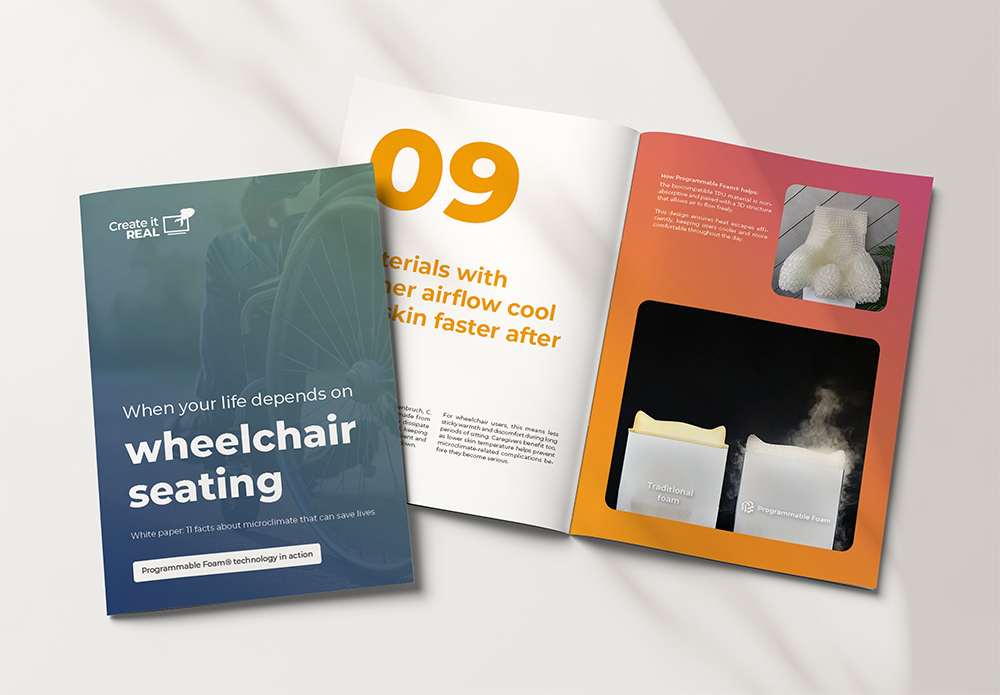
At Groupe Tolda, they understand the transformation can be difficult, but they note that younger CPOs are particularly eager to embrace change. The younger generation is actively rejecting the old technology for several key reasons. First, it is becoming prohibitively expensive, particularly when outsourcing production is required. Second, they object to the waste and dust inherent in subtractive manufacturing. Third, and perhaps most compelling, Programmable Foam® seating aids provide superior microclimate control and overall comfort.
"The trust of the medical community is everything. In the local areas of Bordeaux and Marseille, where our clinics are located, we are deeply trusted by doctors, and the pediatric community is well-connected"
- Alice Parent
From customization to hyper customization
Programmable Foam® is more than just an upgrade; it’s a technology that fundamentally shifts what is achievable in seating aid design, opening up new opportunities.
Traditional foam manufacturing allows for customization, but it is an outdated, subtractive process with inherent limitations. Typically, the foam seat has only one hardness, forcing a compromise among pressure relief, positioning, and comfort. When a patient requires specialized support, clinicians often rely on extra cushions, supportive pillows, or external braces to compensate.
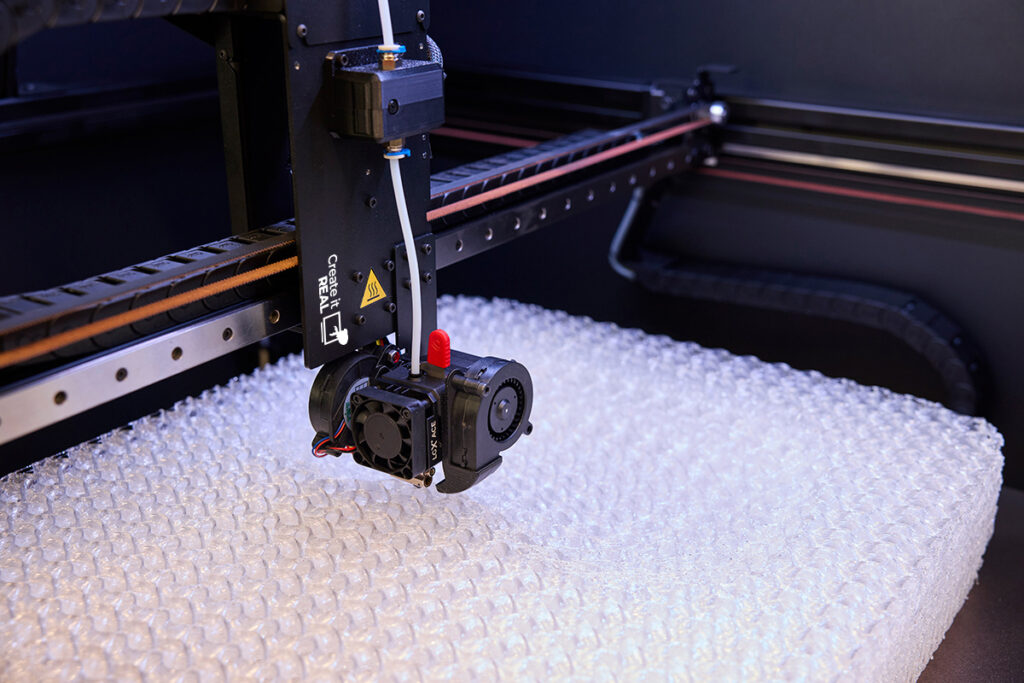
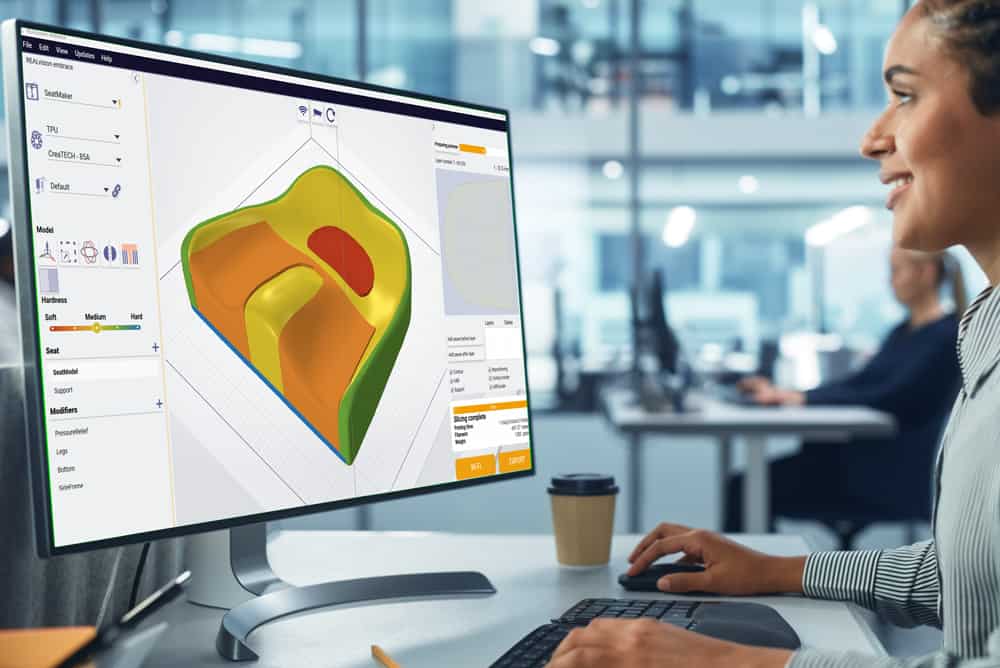
The core difference between customization and hyper-customization is that customization focuses on shape, while hyper-customization applies density zones to provide maximum pressure relief, positioning, and comfort. With Programmable Foam®, the design features precise, multi-density zones that let you engineer the exact support and features you require. As Alice Parent specifies, “I call it a transfer from customization to hyper-customization, when the design is built, we can be so precise with multi-density zones, so we build in very precise support and features.”
This level of precision means the seat design itself can now integrate complex support features, often eliminating the need for bulky additions like extra cushions or external braces. By moving to this digital workflow, we achieve a superior product, reduce material waste, and offer improved features, such as superior microclimate control for patients.
“We spend 60% of our time educating, and it is the key to successful transformation. To understand how to exploit the potential of the technology.”
- Julien Cipière
Expertise and partnership
When you meet Groupe Tolda at an event, this is what you get from them. They want you to touch the material and see the big and small adjustments possible when you manage the Programmable Foam® technology at an expert level. Because that is what they are. It is the partnership where the partner fully understands the potential and has the knowledge, curiosity, and skills to leverage it and keep pushing boundaries with us.
Groupe Tolda’s journey from a basement start to a pioneering force in specialized pediatric care is a story of relentless innovation. Fueled by the adoption of 3D printing and a commitment to helping the smallest patients with highly customized orthopedic solutions, they established a foundation of deep trust with the medical community.
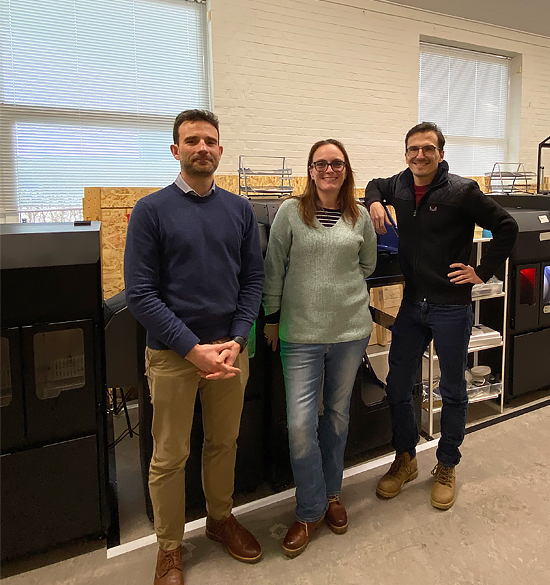
The launch of Tolda Print and the strategic partnership with Create it REAL around Programmable Foam® represents the next phase of this mission. By prioritizing education, embracing a digital workflow, and unlocking the potential of hyper-customization, Groupe Tolda is not just growing its business; it is leading a crucial transformation in seating and mattress aids, ensuring that superior, patient-focused technology is accessible to all.