How a 3D-printed brace can improve scoliosis treatment
Recently, we shared insights from an article by the Dorsi Spinal Institute, which concluded that the best brace for scoliosis treatment is the one the patient wears consistently.
This raises an important question: how can professional orthotists and clinicians design treatment plans that not only work but also encourage patients to stick with them over time?
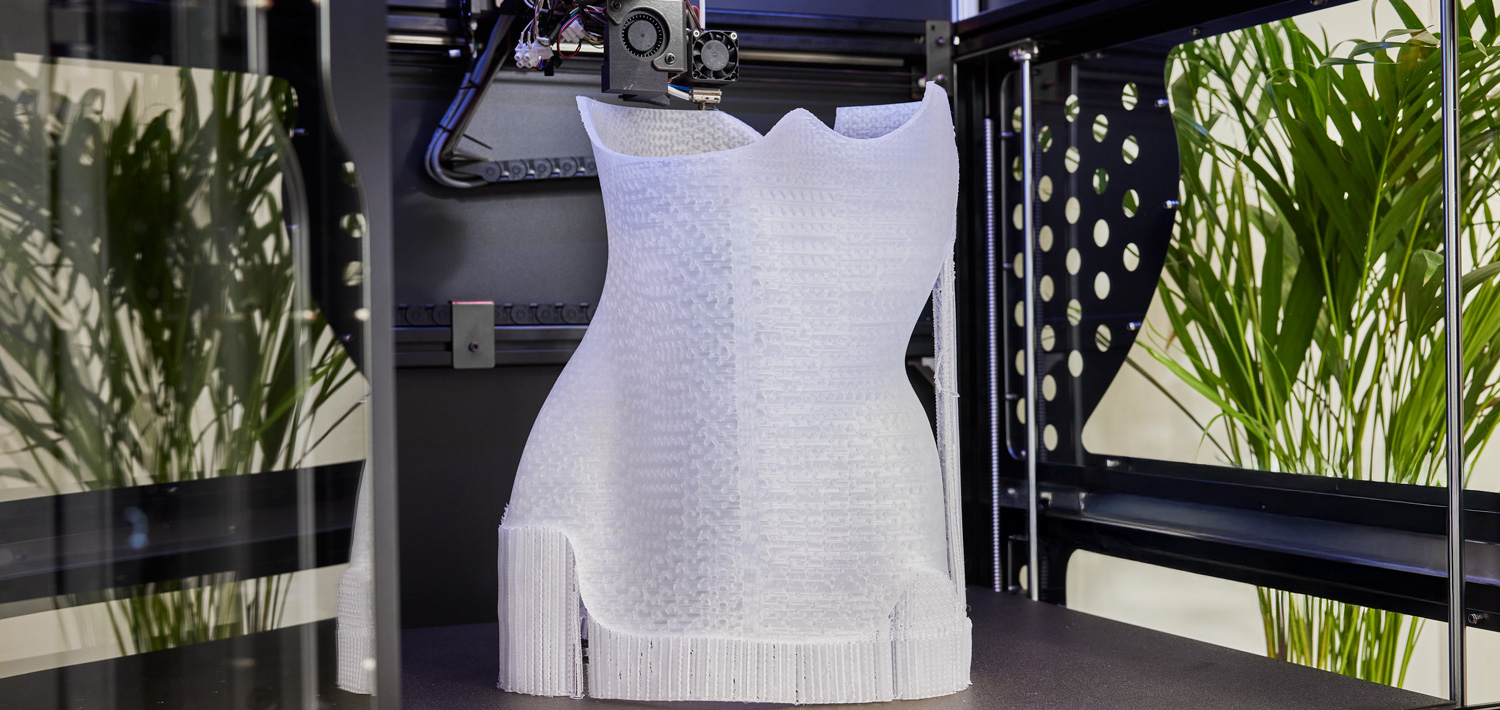
According to Matthew Potts of Dorsi Spinal Institute, one answer lies in comfort, precision, and modern fabrication. He highlights the benefits of 3D-printed braces and the Embrace Corset solution.
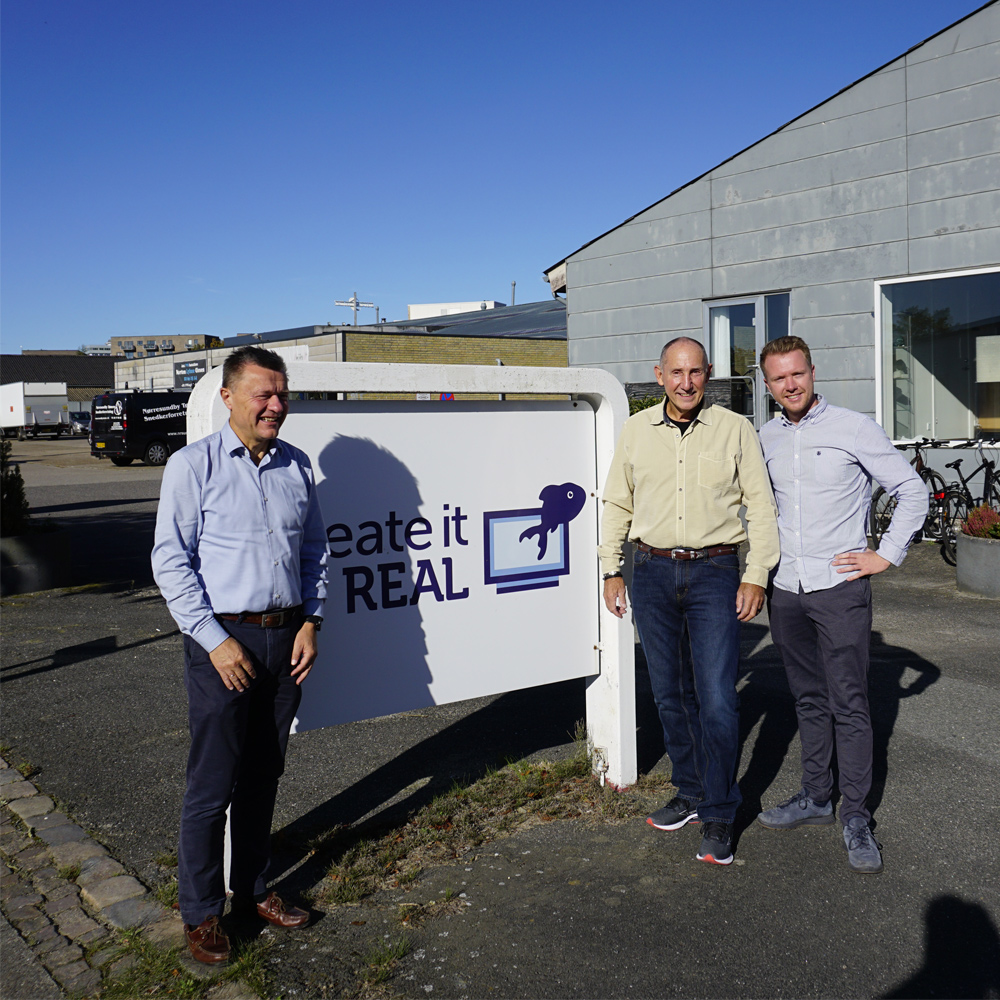
We’re fortunate to have clinical experience to support this insight as well. In this article, we share a real-world case from one of our partners. We’re proud to collaborate with Prothotic Laboratory in New York, USA — a team with decades of experience treating spinal conditions, especially scoliosis. They’ve embraced 3D printing technology and now use our Embrace Corset solution to produce spinal braces tailored to each patient.
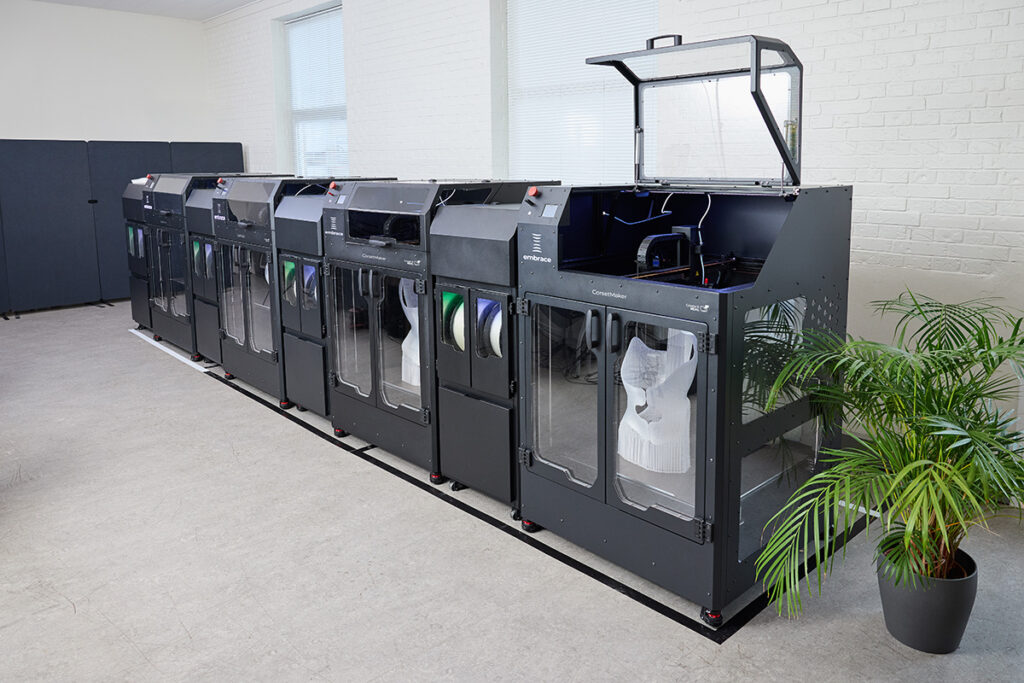
They’re so convinced by the results that they’ve expanded their setup to include two operating 3D printers and fully integrated digital workflows into their daily practice.
A new era in scoliosis treatment
One young patient’s experience with a 3D-printed brace
Shared by Prothotic Laboratory Inc. | Edited and introduced by Create it REAL
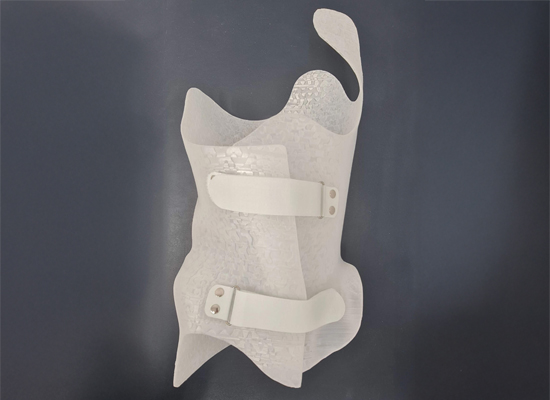
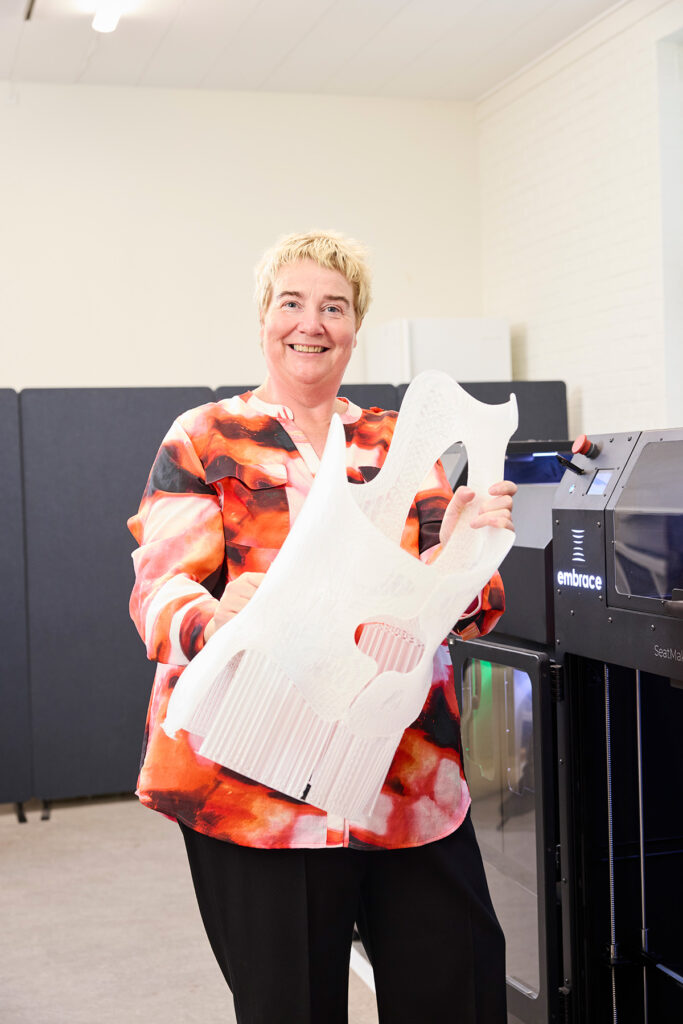
In the ever-evolving field of scoliosis care, new technologies are opening doors to better outcomes, not only clinically, but also in terms of everyday comfort and patient adherence. Prothotic Laboratory Inc., a long-time leader in orthotic innovation based in New York, has recently transitioned from traditional vacuum-formed Rigo Chêneau-style braces to digitally designed, 3D-printed braces made with polypropylene (PP) material using the Embrace Corset solution from Create it REAL.
The shift has been significant, and one recent patient experience highlights just how impactful it can be.
“I can wear it longer, I even have no problem sleeping with it now.”
— Mia
A patient-first approach to innovation
Prothotic Lab’s transition to 3D printing wasn’t just about new tools — it was about improving lives. One young patient, referred to here as Mia to protect her privacy, recently began wearing a 3D-printed brace. Her feedback has been both honest and enthusiastic.
Having worn a traditional rigid brace previously, Mia described it as “hard” and “uncomfortable.” The 3D-printed version, on the other hand, felt thinner, more flexible, and much more comfortable:
“I can wear it longer,” she explained. “I even have no problem sleeping with it now.”
Her mother agreed, calling the new brace “more customized” and even “life-changing.”
Clinical improvements backed by experience
From a clinical perspective, Mia’s X-rays confirmed what she and her mother were feeling. Her spinal alignment showed measurable improvement compared to earlier scans while wearing the traditional brace.
“This was really exciting to see,” said her orthotist. “If we can combine enhanced comfort with improved correction, the long-term implications are tremendous.”
Wear time and long-term correction
One of the key factors in successful scoliosis treatment is compliance, measured in wear time. Patients need to wear their brace consistently to achieve meaningful results, but that’s only possible if the brace is comfortable enough to wear.
The 3D-printed brace seems to be making a real difference here as well.
“If you’re able to wear it longer, that directly affects the sustainability of the correction,” the clinician explained. “We’re hoping that not only do we see better outcomes during bracing, but that those results are sustained even after the brace is no longer needed. That would be the true success.”
Making daily life easier — and more normal
Mia’s increased wear time isn’t just about clinical results. It’s also about her confidence and daily routines. She now wears the brace to school without hesitation, a change from her previous reluctance.
“It’s just more livable,” her mother noted, highlighting how the improved comfort has had a ripple effect on their daily lives, from sleep to social life.
The future of scoliosis care is personal
Mia’s story demonstrates what’s possible when personalized care meets cutting-edge technology. 3D printing has enabled Prothotic Lab to move beyond traditional designs, creating braces that are not only effective but also built for the individual.
“It’s more than a change in materials,” the team at Prothotic emphasized. “It’s a shift toward more patient-friendly, customized care.”
They remain committed to sharing stories like Mia’s to inspire families, clinicians, and innovators alike to reimagine what scoliosis care can look like in the years to come.
Our conclusion: why wearability matters
At Create it REAL, we strive to push boundaries through better technology, together with leading clinical experts like Prothotic Lab. With decades of 3D printing experience, we understand how to fine-tune the technology and unlock the advantages of additive manufacturing. When that leads to better care and is fully embraced by our customers, it creates a symbiotic cycle.
That’s why we built the Embrace Corset solution: to help professionals like Prothotic Lab deliver more personalized, wearable, and clinically effective spinal braces to the people who need them most.
Because, as Mia’s story proves, when the brace fits better, life gets better.